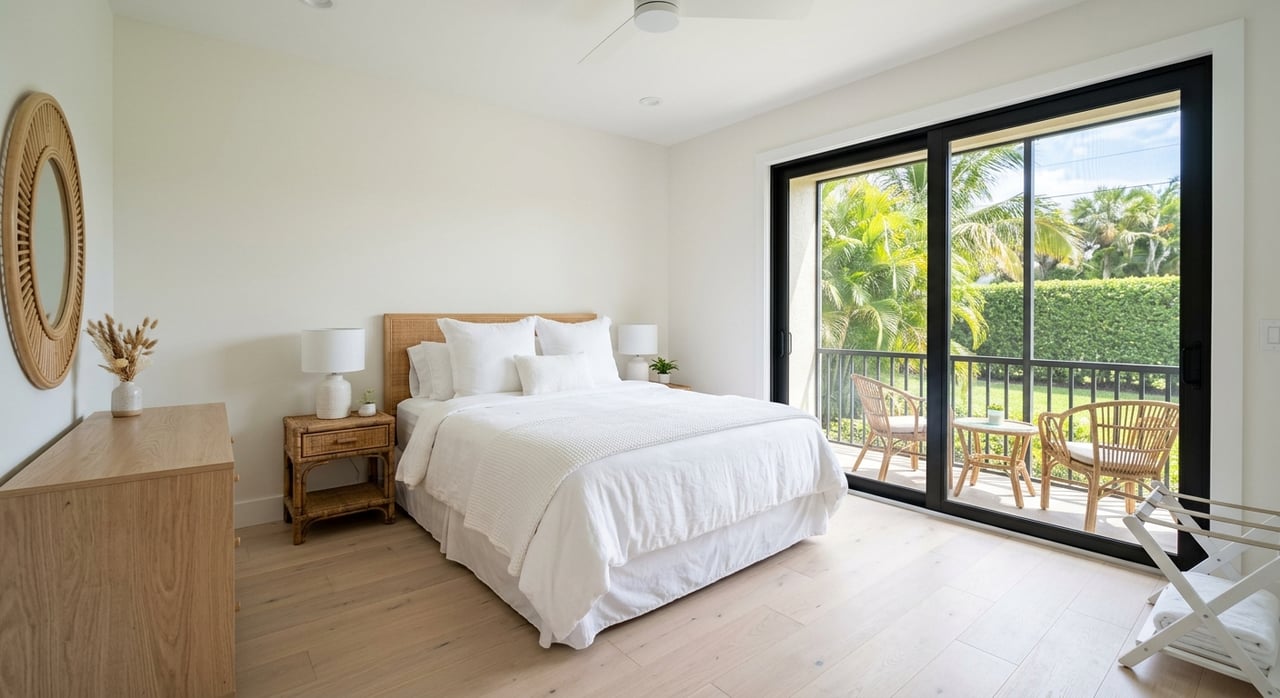
Wondering how fast you can go from closing on an Anna Maria Island property to welcoming your first guest? It is a smart question, especially if you are buying with rental income in mind and want a smooth, low-stress transition. The good news is that the path is clear when you follow the right order: compliance first, launch second, bookings third. Let’s dive in.
Start With Compliance First
If you buy a vacation rental in Anna Maria, the handoff after closing is not just about photos, pricing, and listing copy. It starts with local and state requirements that need to be in place before the first booking. That sequence matters because the city, the state, and the county each have a role in how the property is set up.
For a property in the 34216 area, Anna Maria’s vacation-rental process begins with the city application. The city asks for details such as the legal description, Manatee County Property Tax ID number, bedroom and occupant count, owner and agent contact details, the property appraiser sheet, and both exterior and interior sketches. Those sketches can be hand-drawn, which helps simplify the process.
What Anna Maria Requires
The City of Anna Maria’s vacation-rental application is detailed, and that is important for new owners to understand upfront. You will also need to provide a copy of the Florida DBPR vacation-rental license, proof of Florida Department of Revenue registration, and evidence of your Manatee County tourist-tax account. In other words, city approval connects directly to your state and county setup.
One key detail is that the city sets bedroom and occupancy counts. Those counts may be different from what an owner expects or requests. That means your future listing details should match the city-approved numbers, not just your marketing goals.
Your first compliance checklist
- Complete the City of Anna Maria vacation-rental application package
- Confirm the legal description and Manatee County Property Tax ID number
- Prepare exterior and interior property sketches
- Obtain a DBPR vacation-rental license
- Register with the Florida Department of Revenue for tax collection
- Set up the Manatee County tourist-tax account
- Make sure listing details match the city-approved bedroom and occupancy counts
Designating Sato as Your Agent
A big reason many buyers are drawn to Anna Maria Island investment property is the ability to stay hands-off after closing. The city allows you to designate an agent to perform vacation-rental duties, either fully or for specific responsibilities only. That creates a practical path from ownership to professional management.
For buyers working with Sato, this is where the transition starts to feel turnkey. Public materials from Sato emphasize responsive service, communication from booking to checkout, and help getting each home ready for guest arrival. That kind of operational support matters when you want a property to move from closing table to booking calendar without unnecessary delays.
It is also important to know that the owner remains responsible for the agent’s actions. So while management can handle day-to-day rental operations, your compliance setup still needs to be accurate from the start.
State Licensing and Tax Setup
Before operating a public lodging establishment in Florida, you need a DBPR license. Florida law also requires annual renewal, an online division account, and updates when certain property details change, including address or unit-count changes within 30 days. If ownership changes at closing, that update process becomes part of your post-closing to-do list.
Florida also requires short-term living accommodations to register for sales tax collection. Each business location must be registered, and the Department of Revenue requires notice when ownership or the legal entity changes. For buyers closing in a new personal name or LLC, this is not a small detail. It is a key part of getting your rental set up properly.
Understand Anna Maria Island Rental Taxes
Taxes are one of the most overlooked parts of the handoff, especially for out-of-state buyers. In Manatee County, the tourist development tax is currently 6%, effective January 1, 2025. Combined with the 7% state sales and use tax, the total transient-rental tax burden is 13%.
That number matters because it affects your pricing setup, reservation flow, and remittance process. It is not enough to simply list the home and assume the platforms will take care of everything for you.
Why this matters in Manatee County
The Manatee County Tax Collector says it has no agreements with Airbnb, HomeAway, or VRBO for the county tourist tax. That means the owner is responsible for collecting and remitting the county tax. If you want a true hands-off experience, this needs to be addressed as part of the management handoff right after closing.
This is one reason the compliance-to-launch sequence is so important. You want the tax accounts and collection process aligned before the calendar opens, not after the first reservation comes in.
Launching the Listing the Right Way
Once the compliance pieces are in place, the next step is launch. This is where your property shifts from paperwork to presentation. A strong Anna Maria Island rental launch is built on accurate property data, complete amenity details, clear house rules, photography, and booking-ready calendar controls.
Sato’s public booking flow shows availability calendars, live price quotes, and reserve-now functionality. That tells you something important about the handoff: pricing, calendar management, and reservation controls are part of the operational setup, not something you should have to manage manually after closing.
Listing details that should be ready
Before your property goes live, it helps to have:
- Accurate bedroom and occupancy information
- A complete amenity list
- Property descriptions aligned with the home’s layout and features
- Current photography and visual presentation
- House rules and guest-use disclosures
- Booking calendar and pricing setup
- Guest communication procedures from booking through checkout
Presentation matters on Anna Maria Island, especially in a market where buyers often care about both lifestyle and income. A polished launch can help your property feel guest-ready from day one.
Guest Rules Matter More Than Many Owners Expect
A successful first booking is not just about getting a reservation. It is also about creating a guest experience that fits local rules and protects the property over time. In Anna Maria, noise regulations make owners, tenants, occupants, guests, property managers, and agents separately liable for noise disturbances caused by tenants or guests.
The city also sets pool and spa quiet hours so that no noise can be heard beyond the property line between 10:00 p.m. and 8:00 a.m. the next day. That means guest welcome instructions should clearly explain quiet hours before arrival and during the stay. Clear communication is not just good hospitality here. It is part of responsible operation.
Seasonal Planning Is Part of Operations
On Anna Maria Island, weather planning is also part of the normal rental workflow. NOAA states that the Atlantic hurricane season runs from June 1 through November 30. For owners, that means storm-readiness and backup communication plans should be built into routine guest management.
This does not have to feel overwhelming when the handoff is organized well. It simply means your property should have clear contact procedures and guest messaging in place as part of normal operations, especially during storm season.
What a Smooth Handoff Really Looks Like
The easiest way to think about this process is in three phases. First comes compliance, where the city, state, and county pieces are completed. Next comes launch, where the listing, pricing, visuals, and guest rules are prepared. Then comes active booking management, where inquiries, reservations, guest communication, and day-to-day operations are handled consistently.
That is the real value of a well-planned closing-to-bookings transition. It is not just a marketing handoff. It is a structured move from ownership to legal setup to booking-ready operations.
For buyers who want island lifestyle and income potential, that sequence can make all the difference. It creates less guesswork, fewer post-closing surprises, and a much faster path to welcoming your first guest.
If you are looking at Anna Maria Island property with vacation-rental goals in mind, working with someone who understands both the purchase side and the management handoff can save time and stress. When you are ready to explore the right fit, connect with Jessica Batten for local guidance backed by real Anna Maria Island experience.
FAQs
What has to happen before the first Anna Maria Island booking?
- Before the first booking, you generally need to complete the City of Anna Maria vacation-rental package, obtain the DBPR license, register with the Florida Department of Revenue, set up the Manatee County tourist-tax account, and make sure your listing matches the city-approved bedroom and occupancy counts.
Can an Anna Maria Island owner stay hands-off with Sato?
- Yes, the city allows you to designate an agent for vacation-rental duties, and Sato’s public materials highlight responsive guest and property support, but the owner still remains legally responsible for compliance and the agent’s actions.
What taxes apply to Anna Maria Island short-term rentals in Manatee County?
- Manatee County says the tourist development tax is 6%, and when combined with the 7% state sales and use tax, the total transient-rental tax burden is 13%.
Do booking platforms collect Anna Maria Island tourist taxes automatically?
- Not in every case. The Manatee County Tax Collector says it has no agreements with Airbnb, HomeAway, or VRBO for the county tourist tax, so owners are responsible for collecting and remitting that county tax.
What local rules should Anna Maria Island guests know before arrival?
- Guests should receive clear instructions about local noise rules, including pool and spa quiet hours from 10:00 p.m. to 8:00 a.m., because Anna Maria’s code makes multiple parties, including owners and managers, separately liable for noise disturbances.
Why does storm planning matter for Anna Maria Island vacation rentals?
- NOAA identifies June 1 through November 30 as Atlantic hurricane season, so backup contacts and clear guest communication are part of normal rental operations on the island.