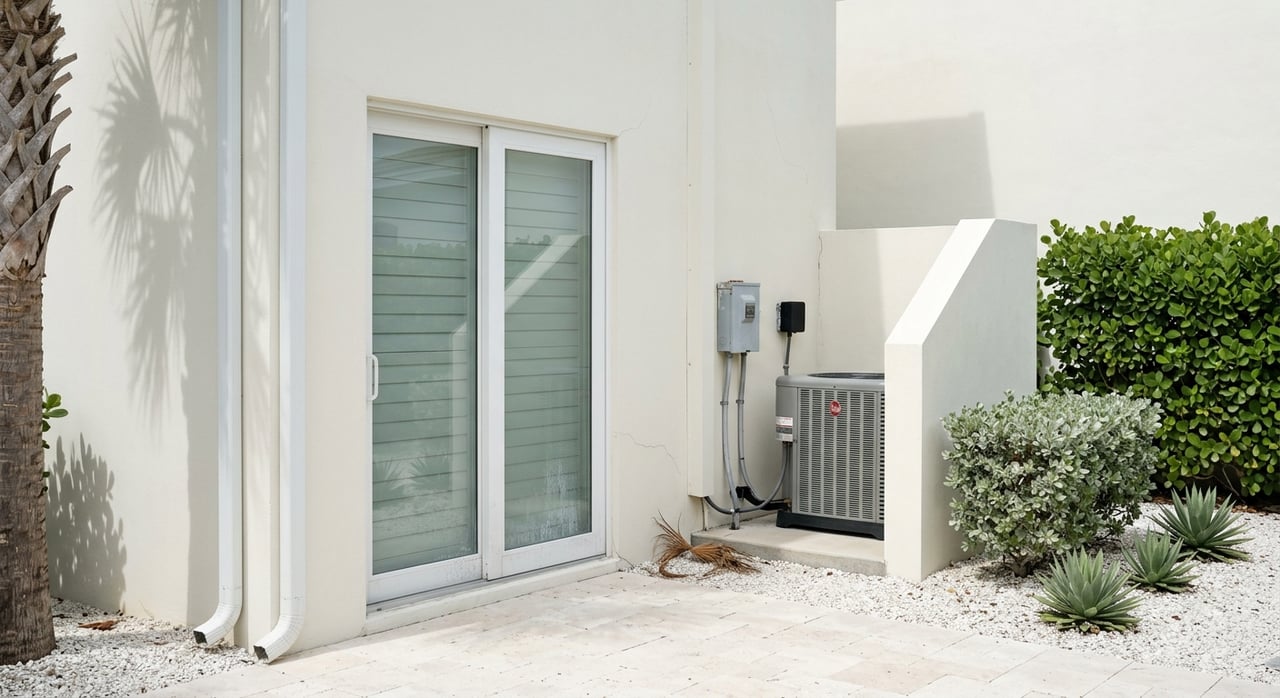
Buying an Anna Maria Island rental can feel simple at first. You see the purchase price, estimate the booking income, and start picturing sunny owner stays between guest reservations. But in ZIP code 34216, the real cost of ownership goes well beyond the mortgage. If you want a clearer picture before you buy, this guide breaks down the main expenses that shape your bottom line. Let’s dive in.
Purchase Price Is Just the Starting Point
On Anna Maria Island, ownership costs are heavily shaped by where the property sits, how it is licensed, how often it turns over, and how it is insured. A condo, canal home, or beach-area house can all perform very differently once you add local compliance, utilities, cleaning, management, and maintenance.
That matters if you are buying for both lifestyle and income. A property that looks strong on gross revenue can still feel expensive to carry if the operating costs were underestimated at the start.
Local Compliance Costs in 34216
Vacation rental registration varies by city
In the City of Anna Maria, vacation rentals must be registered annually. The city requires a current DBPR transient public lodging license, Florida Department of Revenue registration, an active Manatee County Tax Collector account, and both exterior and interior sketches with the application.
New rentals also may not be advertised until the city gives written authorization. That timing matters if you are planning a quick post-closing launch.
Because ZIP code 34216 includes multiple island municipalities, the registration process is not one-size-fits-all. The Manatee County Tax Collector lists separate pathways for Anna Maria Island, Holmes Beach, and Bradenton Beach, so your exact steps depend on the property address.
Registration fees can rise with occupancy
For the City of Anna Maria, the April 1, 2026 to March 31, 2027 vacation rental registration fee is $100.20 per occupant. That means a 4-occupant rental would pay $400.80, while a 29-occupant rental would pay $2,905.80.
This is one of the easiest ownership costs to overlook when you first compare homes. The larger the permitted occupancy, the larger the registration bill can become.
Rental taxes are a major operating responsibility
In Manatee County, rentals or leases of six months or less are subject to a 13% transient tax structure. According to the county, 6% is collected by the Manatee County Tax Collector and 7% is state sales and use tax remitted to the Florida Department of Revenue.
The county also states that it has no remittance agreements with Airbnb, HomeAway, or VRBO. In practical terms, that means you should not assume a listing platform removes your filing and remittance responsibilities.
Utilities Can Move More Than You Expect
Utility setup is not always one simple bill
Anna Maria Island utility service can involve multiple providers. The City of Anna Maria lists Florida Power & Light, Manatee County Public Works, Waste Pro, Spectrum, and Frontier among its utility contacts.
That is an important budgeting reminder. Before closing, you will want to confirm who handles electric, water, sewer, trash, and communications for the specific property.
Usage matters, especially in guest-heavy homes
A nearby Manatee County benchmark shows that a single-family customer with a 5/8-inch meter, 6,000 gallons of water use, and curbside garbage had a June 1, 2026 example bill of $130.48. The county also notes that water and sewer bills include both a fixed base charge and a usage-based charge.
That means utility costs can rise quickly with occupancy, pool use, laundry volume, and guest habits. On an island rental, heavy turnover periods can make monthly bills less predictable than buyers expect.
Cleaning and Turnovers Add Up Fast
Cleaning is usually charged per stay
One of the biggest short-term rental cost drivers is turnover frequency. Cleaning is generally a per-stay charge, not a per-night charge, so shorter bookings can create more expense even when occupancy looks healthy.
AirDNA reported a 2025 U.S. average Airbnb cleaning fee of $161.10 per stay, with five-bedroom homes averaging about $357. While that is not an Anna Maria Island-specific quote, it helps show why larger rentals or homes with frequent bookings can see substantial turnover costs.
The right cleaning budget depends on the home
There is no universal cleaning number for every property. Home size, amenities, seasonality, and how often the property is cleaned all affect the final cost.
For buyers, the takeaway is simple: if two homes generate similar gross rent, the one with fewer turnovers or a more efficient cleaning setup may produce a better net result.
Property Management Fees Affect Net Income
Full-service management is often percentage-based
Many buyers want a more hands-off ownership experience, especially if they live out of state. Industry guidance places full-service vacation rental management roughly in the 15% to 30% of gross rental income range, with broader models spanning about 10% to 50% depending on the scope of service.
That range is useful for rough planning, but your actual cost comes from the management agreement. This is one of the most important line items to review before you count on projected cash flow.
Fee structures are not always apples to apples
Some management companies bundle housekeeping into one fee. Others itemize booking support, cleaning coordination, maintenance coordination, damage-waiver costs, or platform-related charges.
So even if two managers quote similar commission rates, the final net income may look very different. A careful side-by-side review matters.
Insurance Is a Core Cost, Not a Footnote
Homeowners and condo insurance can vary widely
The Florida Office of Insurance Regulation reported July 2025 average premiums in Manatee County of $3,145 for homeowners with wind coverage and $1,813 without wind coverage. For condo unit owners, the averages were $1,369 with wind coverage and $1,020 without.
Those figures are useful benchmarks, but they are not universal quotes. Actual premiums can vary based on carrier, insured value, deductible, and policy terms.
Flood insurance should be budgeted separately
Flood coverage is another separate cost category. Flood damage is not covered by a standard homeowners policy, and flood insurance is purchased separately.
For buyers using financing, this can become more than a preference. In Special Flood Hazard Areas, lenders require flood insurance for government-backed mortgages.
Coastal Maintenance Requires Ongoing Reserves
Island wear and tear is real
Anna Maria Island ownership comes with a coastal environment that looks beautiful but can be tough on a property. UF/IFAS notes that coastal Florida landscapes deal with wind, salt, and sandy high-pH soils.
That can affect landscaping choices, plant replacement, irrigation performance, and general upkeep. It can also influence how often you refresh exterior finishes and maintain outdoor features.
A reserve fund helps smooth out surprises
For many owners, the smartest approach is to keep a reserve for:
- exterior paint and touch-ups
- corrosion-prone fixtures and hardware
- landscaping replacement
- storm-related repairs
- routine wear from guest use
Without a reserve, a strong rental month can be wiped out by one unexpected repair cycle.
Renovation Costs Can Reach Beyond the Project Budget
If you buy a property and plan to renovate, permit-related costs should be part of your planning from day one. Anna Maria’s permit fee schedule includes a 10% plan-review fee for qualifying permits, a 3% building-permit surcharge, and double fees for after-the-fact permits.
That does not mean renovation is a bad idea. It just means improvement budgets should include local permit structure, not just contractor pricing.
A Simple Way to Budget Ownership Costs
A practical Anna Maria Island rental budget usually works best when you break expenses into three buckets:
Fixed costs
These are the bills you can expect even in slower periods.
- annual registration and compliance costs
- insurance premiums
- base utility charges
Variable costs
These shift with occupancy and guest activity.
- cleaning and turnover expenses
- management fees
- utility overages tied to use
- consumable supplies
Event-driven costs
These show up less often but can be expensive.
- repairs and replacements
- permit fees
- storm-related work
- landscaping refreshes
This framework helps you move beyond the purchase price and focus on what ownership will really feel like month to month.
What Buyers Should Watch Most Closely
On Anna Maria Island, the most volatile ownership costs are often insurance, flood coverage, and turnover frequency. A home with excellent booking demand can still underperform if it has frequent short stays, high cleaning coordination costs, or insurance expenses that were underestimated.
That is why the best buying decisions balance lifestyle appeal with operational clarity. You want to know not only what a property can earn, but what it may cost to run well.
If you are comparing Anna Maria Island rentals and want help weighing income potential against real-world carrying costs, Jessica Batten can help you evaluate opportunities with a local, practical lens.
FAQs
What taxes apply to short-term rentals in Anna Maria Island 34216?
- In Manatee County, rentals or leases of six months or less are subject to a 13% transient tax structure, with 6% collected by the county Tax Collector and 7% remitted to the Florida Department of Revenue.
What registration costs should buyers expect for a City of Anna Maria vacation rental?
- For the April 1, 2026 to March 31, 2027 period, the City of Anna Maria vacation rental registration fee is $100.20 per permitted occupant, so the total increases as occupancy rises.
What utility costs should owners budget for an Anna Maria Island rental?
- Utility costs vary by provider, meter size, and guest usage, but a nearby Manatee County example bill for a single-family customer with 6,000 gallons of water use and curbside garbage was $130.48 as of June 1, 2026.
What cleaning costs affect Anna Maria Island rental income?
- Cleaning is usually charged per stay rather than per night, so frequent turnovers can reduce net income even when occupancy is strong.
What insurance costs matter most for Anna Maria Island rental buyers?
- Buyers should budget separately for homeowners or condo insurance, wind coverage if applicable, and flood insurance, since flood damage is not covered by a standard homeowners policy.
What maintenance reserves are smart for Anna Maria Island rental properties?
- A prudent reserve often covers coastal wear items like exterior paint, corrosion-prone fixtures, landscaping replacement, and storm-related repairs.