Wondering if an Anna Maria Island home can double as a great getaway and a strong earner? You’re not alone. Many buyers in 34216 want sun, sand, and dependable rental income without surprises. In this guide, you’ll get a practical framework to evaluate a property’s vacation‑rental potential: the rules and taxes to verify, market benchmarks and seasonality, revenue drivers that move the needle, and the documents to request before you write an offer. Let’s dive in.
Know the rules before you buy
Buying on Anna Maria Island means navigating three cities on one barrier island: the City of Anna Maria to the north, Holmes Beach mid‑island, and Bradenton Beach to the south. ZIP code 34216 covers much of the City of Anna Maria. Rules vary by city, so confirm which municipality applies to your address.
State license checklist
Florida’s Department of Business and Professional Regulation (DBPR) oversees vacation rental licensing for properties rented frequently for short stays. Review the DBPR’s Hotels & Restaurants forms, including the HR‑7028 vacation rental application and HR‑7020 balcony inspection certificate requirements, if they apply to your structure. Start with the DBPR’s Hotels & Restaurants forms page.
City of Anna Maria registration
The City of Anna Maria requires an annual Vacation Rental Registration, specific documentation, fee payment, and an annual inspection. New rentals may not be advertised until the city issues written authorization. Study the city’s process on the Vacation Rentals registration page and confirm whether a property’s registration is current and transferable.
Holmes Beach and Bradenton Beach have their own programs and enforcement. Holmes Beach uses Vacation Rental Certificates with posted numbers and minimum‑stay rules tied to zoning. Bradenton Beach allows short‑term rentals with registration and compliance checks. If you are considering a property outside the City of Anna Maria, verify the current rules with that city before underwriting.
Taxes you must collect and remit
Short stays in Manatee County are taxable. The county notes a 13% combined tax on rentals of 6 months or less, with a county tourist tax portion remitted to the Tax Collector and sales/use tax remitted to the state. Owners are responsible for registration and remittance, even if a platform lists the property. Read the county’s guidance on the Tourist Tax page and confirm the current breakdown with your accountant and the Tax Collector.
Read the market numbers
Benchmarks to start with
Third‑party market dashboards are useful for directional benchmarks. Airbtics reports an Anna Maria average daily rate (ADR) near $507 and an average occupancy around 78%, which implies annual revenue near $144,000 for a recent 12‑month period. Use these as starting points, not guarantees, and compare against real host data when possible. See the Airbtics Anna Maria dashboard.
Nearby Bradenton Beach typically shows lower ADR with strong occupancy, which can be helpful for comp context depending on location and amenities.
Seasonality on AMI
High season tends to run December through April, with February and March often the peak months for occupancy. Summer can dip due to heat and storms yet remains popular for family trips. Local events and holiday weekends can spike demand, so price with a 12‑month view. Community happenings on Pine Avenue and Bridge Street also draw visitors; you can skim seasonal activity via local event roundups like Discover Bradenton’s calendar.
How to comp correctly
Use three types of comparables:
- Same block or building, so location and walkability match.
- Same bed/bath count and similar amenities, like a private pool or gulf view.
- Similar guest experience, such as private beach access versus public access.
Then cross‑check against the seller’s last 12 months of platform payout statements. Market dashboards and actual P&Ls should align directionally if the property has been actively rented.
What drives rates and bookings
High‑impact features
- Proximity to sand and water. Gulf‑front, gulf‑view, and short walk‑to‑beach locations often command premiums.
- Walkability to Pine Avenue or Bridge Street. Being close to dining and shops supports better off‑season bookings.
- Parking. On‑site spaces are a convenience for families. Clarify how many legal spaces guests can use.
- Golf carts and trolley access. Golf cart storage or rental information can boost appeal, and the island trolley is a guest favorite. Share how simple it is to use the Anna Maria Island trolley.
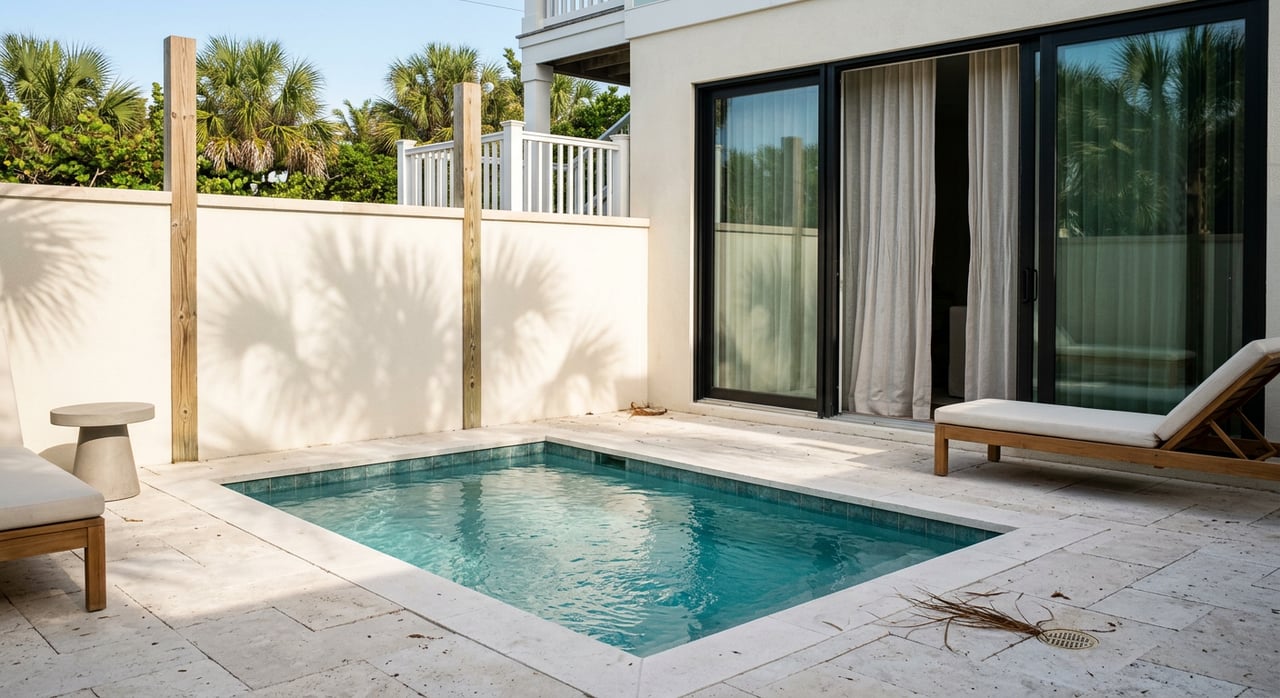
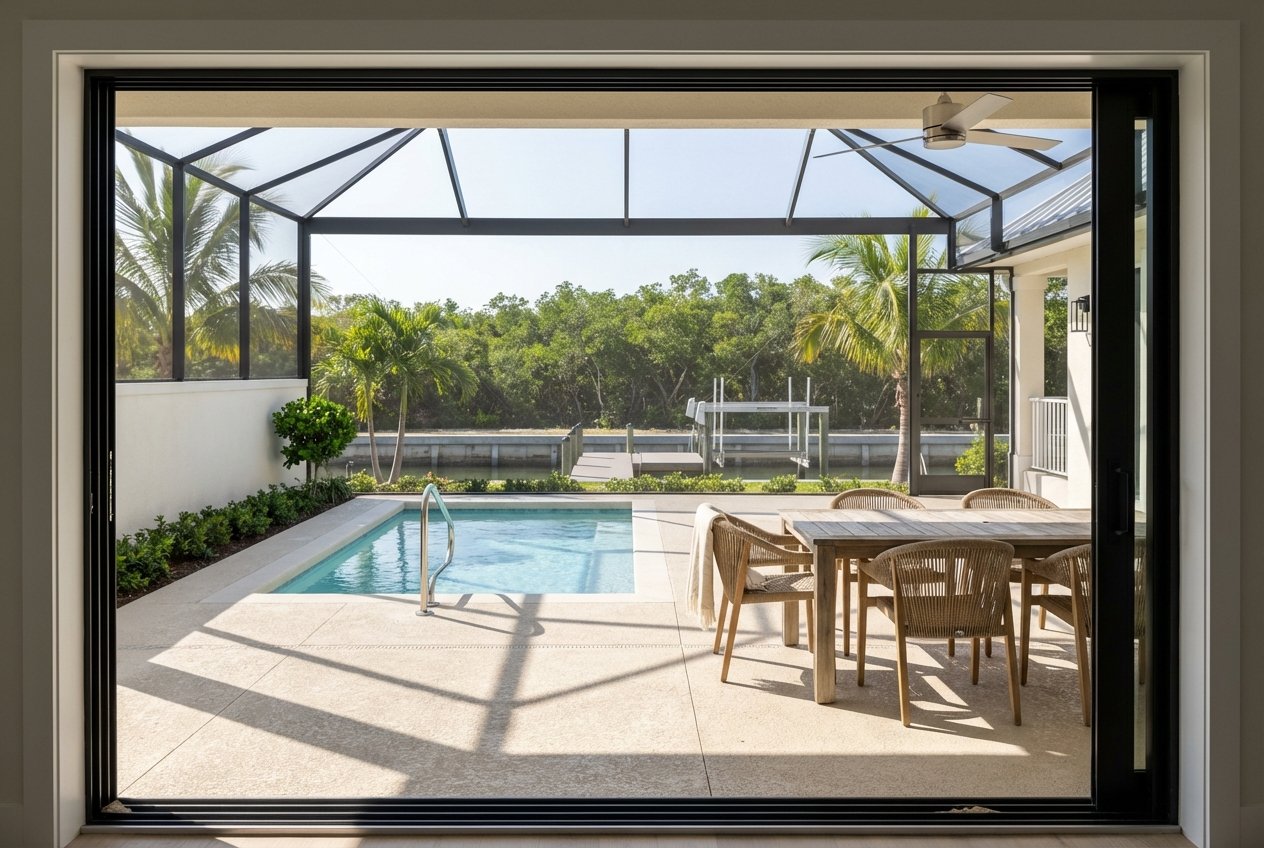
- Private or heated pool; screened outdoor living. Pools add revenue potential but also maintenance and insurance cost.
- Practical interiors. Bedrooms with private baths, updated kitchens, and storage for beach gear win bookings and reviews.
Environmental and compliance factors
- Sea turtle nesting season runs May 1 through Oct 31. Beachfront units often need turtle‑friendly lighting, window coverings at night, and guest guidance. Learn why this matters from local coverage of FWC sea turtle nesting.
- Storms and temporary restrictions. Municipalities can use short moratoria during recovery. Holmes Beach enacted a 45‑day vacation rental moratorium in 2024, which is a reminder to verify current policies with the city before you rely on income. See local reporting on the Holmes Beach moratorium.
- Flood and elevation. Many parcels are in coastal FEMA zones. Ask for elevation certificates and flood insurance quotes as part of underwriting.
Underwrite with simple math
Use straightforward formulas to test a property’s potential. Replace all estimates with the seller’s actual P&L and quotes to be precise.
- Gross annual revenue = ADR × 365 × occupancy rate
- RevPAR = ADR × occupancy rate
- NOI ≈ gross revenue − operating expenses
- Cap rate = NOI ÷ purchase price
- Cash‑on‑cash = (NOI − debt service) ÷ cash invested
A quick example with local benchmarks
- ADR ≈ $507 and occupancy ≈ 78% suggest about 285 booked nights.
- Gross revenue ≈ $507 × 285 ≈ $144,300 based on the recent Airbtics window.
Common expense assumptions to test:
- Property management fee: 15–35% of gross. Full‑service coastal managers often fall in the 20–30% range. See an overview of fee ranges in this property management guide.
- Cleaning and supplies: If the average stay is 5 nights and a clean is $150, 285 booked nights imply about 57 cleans, or ~$8,550 per year.
- Utilities, internet, streaming, landscaping, and pool care: Get quotes. These add up in high‑use months.
- Maintenance and capital reserves: Many investors set aside 5–10% of gross.
- Insurance and property taxes: Confirm current premiums and tax bills, especially in coastal flood zones.
The goal is to convert gross revenue into a realistic net operating income. If actual P&Ls differ from dashboard estimates, investigate causes like owner stays, blocked calendars, or compliance limits.
Documents to request from the seller
- Last 12 months of platform payout statements and gross receipts for each platform.
- The last 2–3 years of P&Ls with line items for management, cleaning, supplies, utilities, insurance, repairs, HOA, and taxes.
- Proof of tourist tax and state sales/use tax registration and remittances from Manatee County and Florida Department of Revenue. See the county’s Tourist Tax guidance.
- Current DBPR vacation rental license and City of Anna Maria Vacation Rental Registration or the equivalent in Holmes Beach or Bradenton Beach. Review requirements on the city’s Vacation Rentals page.
- HOA or condo documents that address leasing, short‑term rental limits, and any pending policy discussions.
- Recent insurance invoices, property tax bill, and any open code enforcement notices.
- Occupancy calendar for the past 12 months, showing owner blocks versus booked nights, and a list of future reservations that transfer at closing.
- Life‑safety and inspection items, including smoke/CO detectors, pool safety, and any required city or DBPR reports.
Quick touring checklist
- Confirm the city and whether a local registration or certificate is posted or on file.
- Count legal parking spaces and note any permit needs or guest limits.
- Time the walk to the beach. Note view corridors and access points.
- Verify bed/bath count and whether some bedrooms have private baths.
- Inspect roof age, windows, hurricane protections, HVAC, and pool condition.
- Look for beach‑gear storage and durable finishes suited to turnover.
- Check smoke/CO detectors, GFCIs, pool fence and alarms, and posted exit info.
- For beachfront units, confirm window coverings and lighting suit turtle season.
- Ask how check‑in works and who provides 24/7 local response for guest issues.
How Jessica helps
Buying a vacation rental on Anna Maria Island should feel clear and confident. You get local insight on city rules, market comps, and neighborhood nuance, plus an operational plan for a smooth handoff to professional management through Sato’s rental platform when you want turnkey support. If you need past rental performance, flood and insurance guidance, or help structuring contingencies tied to permits and inspections, you’ll have a responsive island‑first advisor at your side.
Ready to evaluate a property or start your search with comps and a checklist? Connect with Jessica Batten for personalized guidance.
FAQs
What licenses and registrations do you need for a vacation rental on Anna Maria Island?
- In most cases you need a Florida DBPR vacation rental license and the local city’s registration or certificate, plus county and state tax accounts for short‑term stays.
How much tax do you collect on short stays in Manatee County?
- The county notes a combined 13% tax on rentals of 6 months or less, with portions remitted to the Manatee County Tax Collector and the Florida Department of Revenue.
What is a realistic ADR and occupancy in 34216?
- Airbtics reports an Anna Maria ADR near $507 and occupancy near 78% for a recent period, which you should treat as directional and verify against seller P&Ls.
How does seasonality affect bookings on Anna Maria Island?
- Winter and early spring are peak, summer is mixed but family‑friendly, and events and holidays create short spikes; price with a 12‑month calendar in mind.
Do storms or city actions ever pause vacation rentals on the island?
- Yes, cities can use short moratoria during recovery after storms; Holmes Beach enacted a 45‑day pause in 2024, so always verify current city policy before underwriting.
Which amenities most improve ADR and occupancy on Anna Maria Island?
- Short walk to beach, gulf view, private or heated pool, walkability to dining and shops, reliable parking, and easy transport options like the island trolley.
What should you ask a seller before making an offer on a vacation rental?
- Request 12 months of platform payouts, 2–3 years of P&Ls, proof of tax remittance, current licenses and city registration, HOA rules, insurance bills, and inspection records.