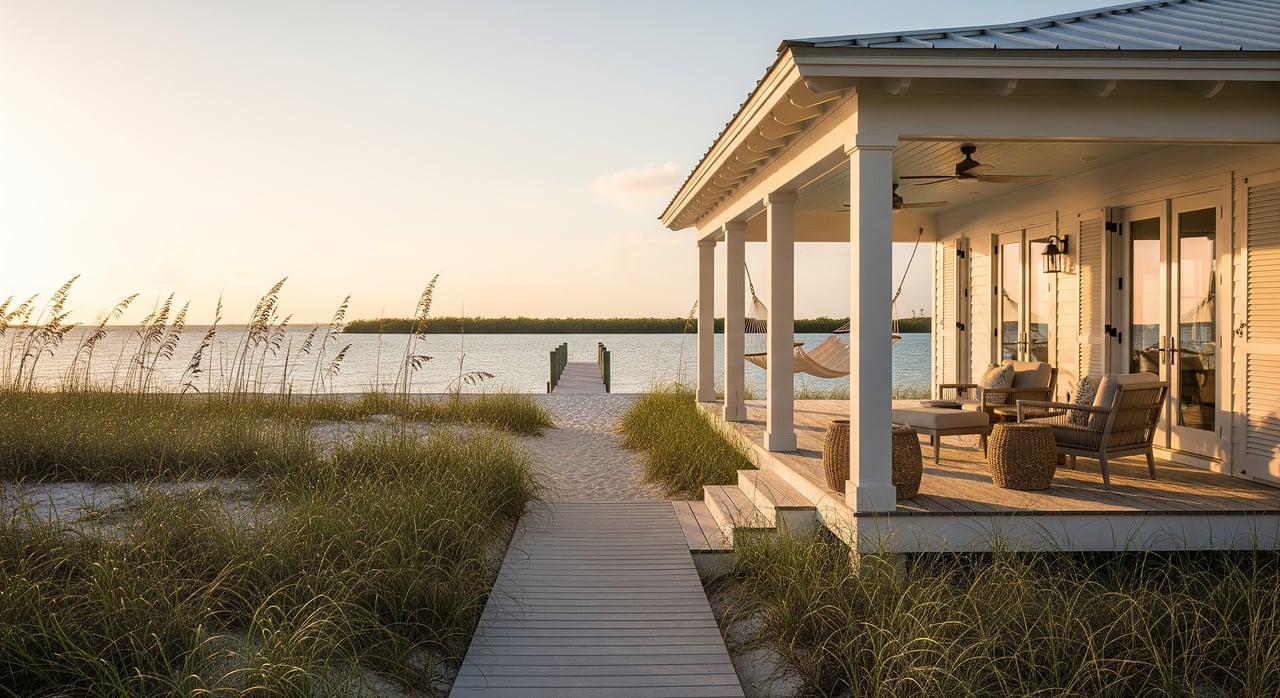
Imagine stepping onto powder-soft sand before your coffee is even cool. Pelicans skim the Gulf. The only decision is sunrise walk or paddleboard first. If you are thinking about a second home on Anna Maria Island, you want that rhythm to feel real. You also want a clear picture of what ownership takes in 34216, from insurance and maintenance to rental rules and storm prep.
In this guide, you will see both sides of island life. You will get a lifestyle snapshot and the practical steps that help you own with confidence. You will also learn how local rules differ by city and what to plan for as an absentee owner. Let’s dive in.
Island at a glance
Three cities, one island
Anna Maria Island sits on Florida’s Gulf Coast and includes three municipalities from north to south: the City of Anna Maria, Holmes Beach, and Bradenton Beach. Each city has its own government, ordinances, permits, and short‑term rental regulations. If you plan to rent or renovate, the exact address determines your path. Local registration, inspections, parking standards, occupancy limits, and enforcement can differ by city.
Neighborhood feel and housing styles
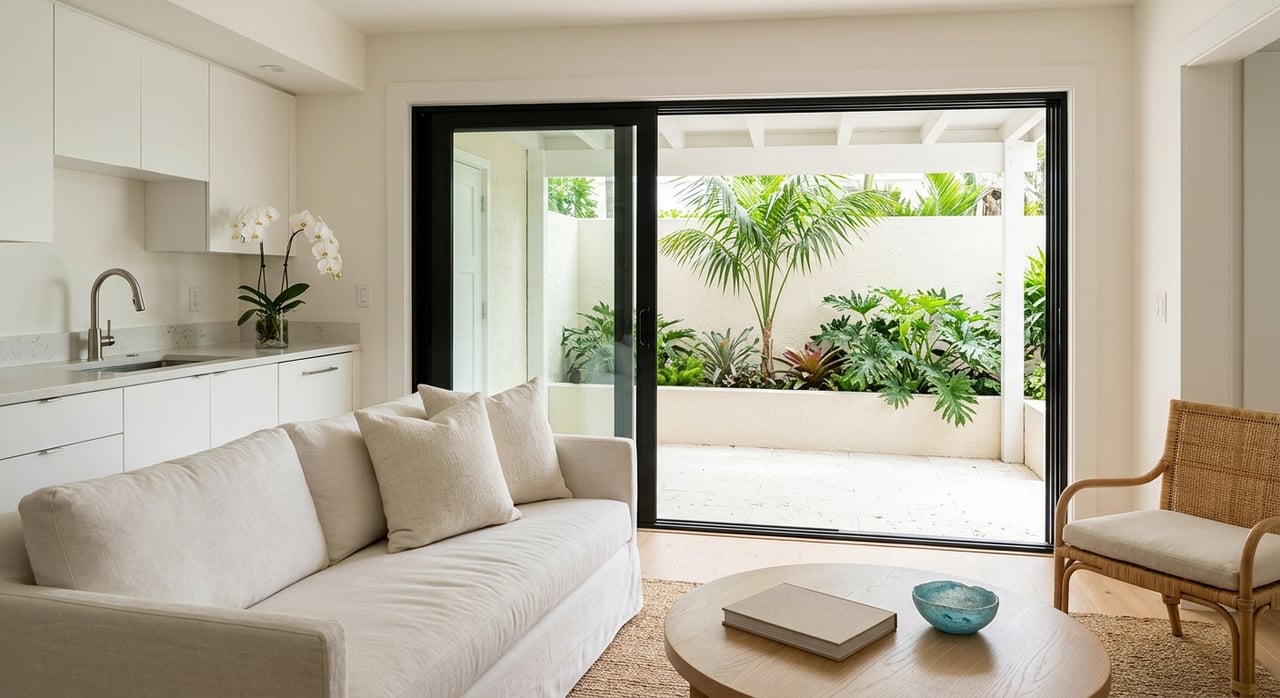
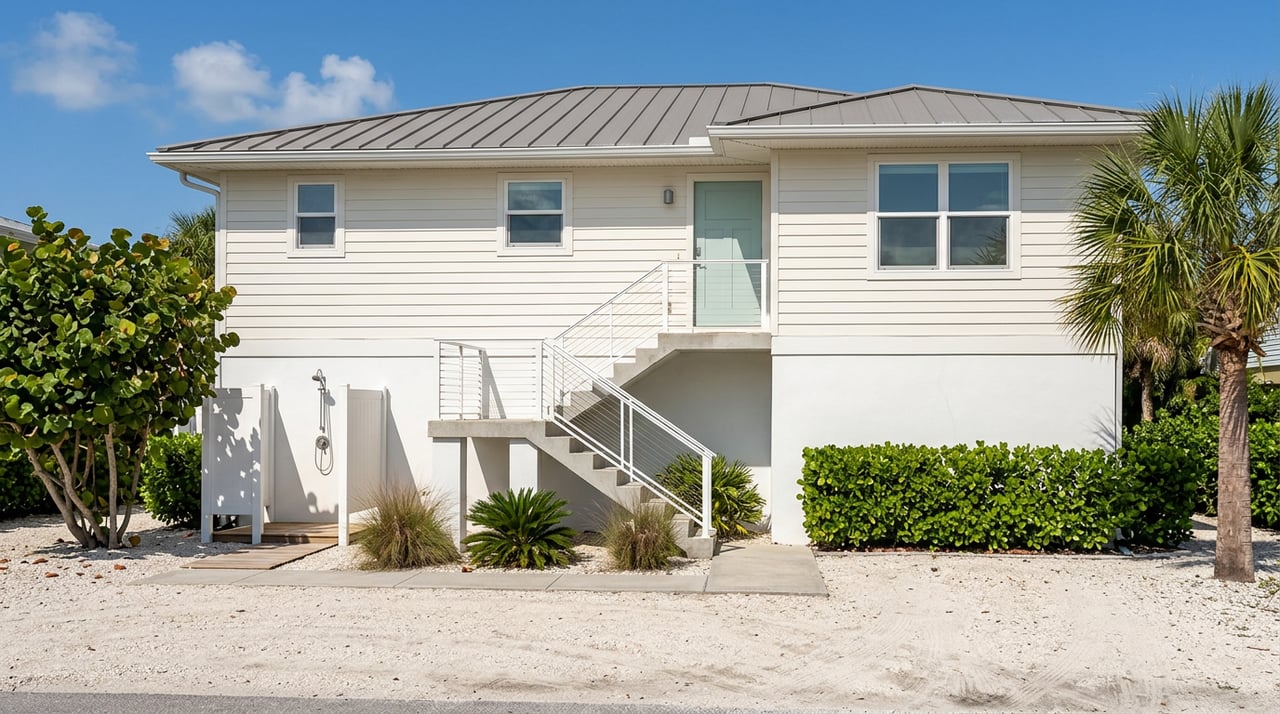
The island is small and low‑lying with a low‑rise profile. You will find classic cottages, refreshed bungalows, duplexes, and condominium buildings. Height limits and community preferences keep a beach town feel. Many streets are narrow, lots are modest, and mature landscaping adds to the charm.
Who buys here
Many owners are second‑home or seasonal residents. The draw is simple access to beaches and the water, walkability in pockets of the island, and a relaxed pace. Some buyers use their homes as vacation rentals when not in residence, while others keep them for personal use only. Waterfront and Gulf‑view properties often command premiums, but all homes are influenced by flood risk, insurance history, and local rules.
Daily life in 34216
Mornings on the water
Mornings start early and quiet. You may walk the beach, watch the sunrise color the sky, or grab a coffee before the heat builds. Boat owners often plan first light cruises to fish or to beat the afternoon breeze. Paddleboarding, shelling, and sunrise swims are common rituals.
Midday routines and errands
Midday is for water, art, and simple errands. You can fish, kayak, shop local boutiques, or visit galleries. The island has casual eateries and a handful of markets for basics. For big grocery runs or specialty items, you will likely hop to the mainland. During winter and early spring, crowds and traffic pick up. In summer, it is warmer and quieter, but you are also in hurricane season.
Evenings and community
Evenings shift toward sunset and music. Casual restaurants host live sets and you can catch a show most weeks. Friends gather on porches. Nightlife is laid back. The island leans into small businesses and local community over big chains.
Getting around
Bridges and traffic
The island connects to the mainland by bridges. Roads are narrow, and during peak season or holiday weekends, traffic slows. Plan a little extra time for off‑island appointments. Special events can also affect parking and travel windows.
Bikes, carts, and trolley
Short trips are easy by bicycle or golf cart. Seasonal trolley or shuttle services have operated in the past and can make beach days simple. Ride‑share availability varies by time of day and crowd levels. If you plan to rely on ride‑share, set a backup plan during peak times.
Parking realities
On‑site parking can be tight on smaller lots. Street parking rules are enforced, and if you rent to guests, each city has its own parking standards and occupancy guidelines. Condos and HOAs layer on their own parking and guest rules as well.
Short‑term rentals by city
If rental income is part of your plan, focus first on municipal rules at the property’s address.
- City of Anna Maria, Holmes Beach, and Bradenton Beach each define short‑term rentals in their own code. They also set registration processes, inspection needs, occupancy limits, noise expectations, and parking minimums.
- Manatee County collects tourist development taxes on short‑term stays. State and county sales tax rules apply to rental income. Registration and remittance processes exist at the county and state levels.
- If you are buying a condo or home with an HOA, review association documents for rental restrictions, guest conduct rules, and any waiting periods or minimum stay requirements.
Smart next steps include reviewing local code compliance histories, confirming any existing rental registrations, and understanding renewal steps. When rules change, renewal timing can matter for continuity.
Insurance and storm prep
Flood zones and elevation certificates
Much of the island sits in FEMA flood zones. Lenders usually require flood insurance through the National Flood Insurance Program if a home is in a mapped flood zone. An elevation certificate helps set flood premiums and is a key document to review during due diligence. Higher elevation, updated construction, and mitigation features can affect both availability and cost.
Wind coverage and hurricane deductibles
Coastal wind exposure means hurricane deductibles and specific wind coverage are common parts of homeowners policies. Private flood and wind markets are active, but premiums and terms vary by elevation, construction, claim history, and upgrades. Review quotes early, ask about mitigation credits, and plan for higher coastal insurance compared with inland homes.
A practical prep plan
Have a written hurricane plan. Identify who will secure shutters, move outdoor furniture, and manage guest communication. Keep photo inventories, insurance contacts, and vendor lists current. After storms, local trades get busy fast, so standing relationships and pre‑authorization for repairs can save days.
Maintenance and management
Salt air and systems
Salt air speeds up wear on roofs, exterior paint, decks, railings, and metal fixtures. HVAC systems, windows, and doors need regular checks. Expect more frequent exterior touch‑ups than inland homes. Routine landscaping, pest control, and corrosion treatment are part of the annual rhythm.
Property managers and vendor access
Many absentee owners hire a local property manager. A good contract covers guest communication, bookings, cleaning, linens, preventative maintenance, and emergency response. During peak season or after storms, plumbers, roofers, and HVAC techs book out. A manager with a strong vendor roster can be the difference between a quick fix and a long wait.
Smart home tools
Smart locks, flood sensors, thermostats, and cameras help you monitor remotely. Use them to streamline guest check‑ins and keep an eye on humidity or leaks. Still, back up your tech with a local plan for when power or internet drops during storms.
Utilities and services
Water, sewer, and septic checks
Utilities are provided regionally. Some older homes use septic systems. Verify the setup at each property and any upgrade requirements. Trash and recycling pickup follow city schedules, and rules for bulk items are municipal.
Internet and cell
Internet and cellular service are generally good, though it can vary by exact spot on the island. If you run a rental, test speeds room by room. Reliable service helps with remote monitoring, smart devices, and happy guests.
Waste and local services
Know the local pickup days, how many bins are allowed, and where to stage them. If you plan to rent, provide simple guest instructions to avoid fines. For bulky items, check city rules before placing anything curbside.
Budget and risk basics
Taxes and fees overview
Florida has no state income tax. Property taxes and any city assessments still apply. Short‑term rentals usually trigger county and state taxes on stays, and you may need registrations at both levels. Budget for filings and calendar reminders to avoid penalties.
Resale factors to consider
Resale value reflects more than view and distance to the beach. Elevation, flood zone, insurance history, municipal rules, and any deed restrictions all matter. Deferred maintenance, roof condition, and previous storm repairs also influence buyer confidence.
Legal compliance and permits
Sellers and buyers must follow local disclosure rules, including flood zones, known issues, and accurate rental history. Confirm that renovations or additions were permitted and closed properly. Clear records reduce surprises during inspection and appraisal.
Due diligence checklist
Use this list to stay focused before you write an offer.
- Verify the city’s short‑term rental rules for the specific address and note any registration or inspection requirements.
- Obtain a current elevation certificate and confirm FEMA flood zone.
- Review insurance quotes for wind and flood early in the process.
- Inspect roof, HVAC, windows and doors, decks, and any seawalls for salt‑air wear and prior storm repairs.
- Confirm parking allocations and any city parking rules for the property.
- Review HOA or condo rental rules, pet policies, noise standards, and any special assessments.
- Check permitting history for past remodels or additions.
Absentee owner checklists
Ongoing management
- Hire a local property manager with emergency protocols and a vetted vendor list.
- Install smart locks, flood sensors, and thermostats, and maintain a local backup plan for outages.
- Schedule seasonal maintenance in spring and fall, plus routine pest control.
- Pre‑authorize emergency repairs up to a set amount to prevent delays.
- Maintain a guest guide with house rules, parking info, and local contacts.
Hurricane prep
- Seven to fourteen days before a forecast storm, schedule shutter installation and secure outdoor furniture.
- Photograph the property and contents for documentation.
- Confirm insurance contacts and policy details.
- Coordinate guest cancellations and travel plans early.
- Line up post‑storm inspection and cleanup vendors where possible.
Is island ownership for you?
Owning on Anna Maria Island delivers a slower rhythm that is hard to find elsewhere. Your days center on water, sun, and simple routines. It also asks for clear planning. Insurance, maintenance, municipal rules, and storm prep are part of the commitment. With the right due diligence and local support, absentee ownership is very doable and can align well with rental goals.
If you want a home that blends lifestyle and income potential, you do not have to figure it out alone. With local roots, a data‑forward approach, and a turnkey handoff to professional vacation‑rental management, you can move from browsing to confident ownership. Ready to take the next step? Reach out to Jessica Batten to see on‑market options, review rental histories, and map a plan that fits your goals.
FAQs
What is daily life like for owners on Anna Maria Island?
- Expect quiet early mornings, beach and water activities during the day, and relaxed sunsets with casual dining. High season adds more visitors and energy.
How crowded does Anna Maria Island get and when?
- Winter through early spring is busiest with visitors and higher rental demand; holiday weekends and events also increase traffic and parking pressure.
Are short‑term rentals allowed on Anna Maria Island?
- Yes, but rules vary by city. The City of Anna Maria, Holmes Beach, and Bradenton Beach each set their own definitions, registrations, inspections, parking, and occupancy rules.
What ongoing costs should I plan for as an absentee owner in 34216?
- Plan for wind and flood insurance, regular exterior maintenance, property management, utilities, taxes, HOA or condo fees if applicable, and seasonal storm prep.
How resilient are homes to storms on Anna Maria Island?
- Resilience depends on elevation, construction, and mitigation measures. Elevation certificates and flood maps guide insurance and risk planning.
What services are on the island versus the mainland?
- You have local restaurants, markets, shops, and parks on the island; larger grocery, big‑box retail, hospitals, and specialized services are on the mainland.