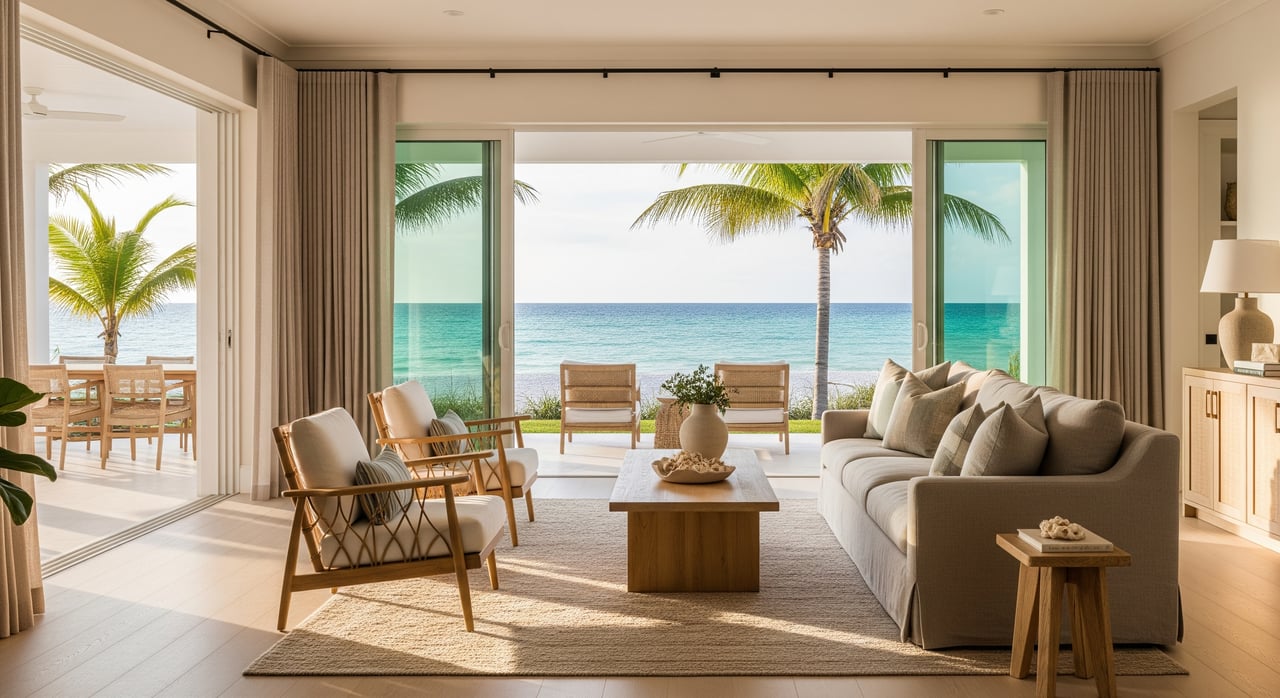
Picture unlocking the door to your Anna Maria Island home and having everything ready on day one. No deliveries to manage, no last-minute shopping, and no missed rental nights. If you are weighing a furnished purchase in 34216, the decision comes down to convenience, cash flow, and risk. This guide breaks down what furnished really means on AMI, how it affects your first-year numbers, and what to watch for with insurance, durability, and local rules. Let’s dive in.
Who benefits from buying furnished
Buying furnished often makes the most sense if you prioritize a turnkey experience. You get faster personal use and, if you plan to rent, you can start taking bookings quickly. That speed matters on AMI, where seasonal demand is strong and timing can influence your first-year results.
Two buyer profiles tend to benefit most:
- Second-home owners seeking low-friction ownership and immediate enjoyment.
- Short-term rental operators who need a guest-ready setup to meet traveler expectations.
If you are comfortable paying a premium for convenience or to capture rental income right away, furnished can be a strategic choice.
Upfront price and setup
You will encounter furniture in two ways: the seller includes it with the sale, or you buy an unfurnished property and outfit it yourself. A guest-ready setup typically includes living and dining furniture, mattresses and bedding, cookware and utensils, small appliances, electronics, window treatments, outdoor seating, safety items, and linens. If you plan to host guests, add a starter consumables kit and extra sets of towels and sheets.
Costs vary by quality and scope. A small condo furnished at economy levels can land in the low-to-mid thousands. A premium turnkey package for a larger home can reach the tens of thousands. If you are furnishing yourself, get multiple local quotes so you can compare quality, timelines, and delivery logistics.
First-year cash flow
Furnished units can generate faster revenue because you can list sooner and target peak seasons. Well-executed furnishings often help listings achieve stronger nightly rates and occupancy, though the exact premium depends on local demand, property type, and presentation. Use comparable short-term rental data to set expectations for occupancy and pricing.
There are tradeoffs. Outfitting an unfurnished home requires upfront capital, which can reduce available cash and affect loan qualification. Furnishings also add operating expenses such as replacement reserves, utilities, and higher turnover costs for short-term rentals. Many owners start with a replacement reserve equal to 5 to 10 percent of gross rental income, then tune the number to fit their property and usage.
Financing, appraisal, and taxes
Lenders and appraisers focus on real property value. Furniture is personal property and is usually excluded from the appraised collateral. If a seller includes furnishings, ask your lender how to document it. An itemized list and clear allocation of value in the contract are common.
If you are planning a 1031 exchange, personal property generally does not qualify for like-kind treatment. Allocate purchase price between real property and personal property. In a rental context, furnishings are typically depreciable under MACRS, often on a 5-year schedule for furniture and appliances. If your home has mixed personal and rental use, you will need to allocate accordingly. Consult a CPA who understands Florida real estate for basis, depreciation, and future recapture considerations.
Insurance on Anna Maria Island
AMI sits in a coastal environment with hurricane, wind, and flood exposure. Insurance planning should start early because coverage types and deductibles will shape your risk and budget.
Key coverage layers to consider:
- Property policy: HO-3 or a dwelling policy for single-family homes. HO-6 for condos. These typically cover the structure and some contents.
- Flood insurance: NFIP or private flood, often required if the home is in a mapped flood zone and you have a federally backed mortgage.
- Windstorm and hurricane: either built into the policy with separate deductibles or provided by a separate wind policy.
- Short-term rental or landlord coverage: many standard homeowner policies exclude business activity. Ask for the right endorsement or a landlord/STR-specific policy.
- Umbrella liability: advisable when guest exposure increases risk.
For contents, confirm whether your policy pays Actual Cash Value or Replacement Cost Value. Replacement Cost Value for furnishings reduces the risk of being underinsured when items need to be replaced after a loss. If you buy furnished, keep a dated, photographed inventory with estimated replacement costs for your insurer.
Practical steps:
- Obtain quotes for personal use only, occasional rental, and full STR so you can compare costs and rules.
- Check the FEMA flood zone for the parcel and confirm flood and wind availability and deductibles with your agent.
- If you are buying in a condo or HOA, review the master policy and any rental insurance requirements.
Furnish for coastal durability
Salt air, humidity, and high guest turnover create unique wear patterns. Choose materials and setups that last in coastal conditions and are easy to maintain.
Smart picks for the Gulf:
- Fabrics: solution-dyed acrylics like marine-grade textiles for outdoor pieces and washable slipcovers indoors.
- Frames: aluminum, stainless steel, powder-coated metals, or durable woods such as teak to limit corrosion.
- Floors: tile or engineered vinyl plank to handle sand and moisture better than wall-to-wall carpet.
- Mattresses and bedding: quality mattresses with washable covers and protectors to extend life.
- Appliances: look for stainless finishes and coastal-friendly warranties.
Plan for lifecycles. In high-turnover STRs, many furniture items will need replacement on a 3 to 7-year cycle. Linens, towels, and protective covers turn over more often. Keep an inventory with purchase dates and warranties. This helps with insurance claims, budgeting, and scheduling replacements.
Operational touches that lower friction:
- Machine-washable slipcovers and stain-resistant rugs.
- Keyless entry and clear, simple instructions for appliances.
- Starter kitchen kit, extra toiletries, and labeled storage.
- Local contacts for maintenance, repairs, and emergency service.
If you will use a property manager, clarify who handles inventory, restocking, and major replacements. Build their fees into your cash flow model.
Rules and associations to verify
Before you assume rental income, verify that the city and your HOA or condo allow your intended use. Rules can vary across the City of Anna Maria, Holmes Beach, and Bradenton Beach. Associations may also have guidelines for things like balcony furniture, storage, or rental registration.
Confirm:
- City rental regulations, permitting, and any registration requirements.
- HOA or condo rental rules and minimum stay requirements.
- Association insurance requirements that affect your unit’s policy.
Decide: furnished or unfurnished
Buy furnished if you want immediate use or bookings and are comfortable with a purchase price that reflects the included contents. It is a strong fit for out-of-state owners who value speed and low setup effort, and for STR operators targeting peak seasons.
Buy unfurnished if you prefer full control over style, quality, and sourcing. This path can lower the purchase price and tailor durability, but it demands time, coordination, and a clear plan for furniture deliveries, storage, and installation.
In both cases, align your decision with your intended use, insurance costs, and first-year cash flow plan.
Buyer checklist for 34216
Before you write an offer:
- Confirm whether the home is furnished, partially furnished, or unfurnished. Request an itemized inventory and purchase price allocation.
- Ask for receipts and warranties for major items and appliances.
- Decide on your use plan: personal only, occasional rentals, or full STR.
- Gather STR comparables for occupancy and nightly rates to build your forecast.
- Request insurance quotes that match your use plan, including flood and wind, and ask for contents Replacement Cost Value options.
- Check the FEMA flood zone and elevation details for the property.
- Review HOA or condo rental rules and any city or county registration requirements.
During due diligence:
- Do a photographed, room-by-room inventory with condition notes if furnished.
- Confirm storage needs and restrictions for owner items.
- Verify with your lender how furniture will be treated and documented.
- Consult a CPA about basis allocation, depreciation, and any 1031 exchange considerations.
Ongoing planning for STRs:
- Set a replacement reserve target, often 5 to 10 percent of gross rental income to start.
- Schedule preventive maintenance for coastal wear items and after hurricane season.
- Create a guest-ready checklist and information binder.
- Decide on self-management versus a local property manager and define who handles turnovers and CapEx.
Local help for a turnkey handoff
If your goal is low-friction ownership with rental potential, a furnished purchase paired with a professional management handoff can be a smart path. On Anna Maria Island, you can lean on local expertise, proven rental histories, and clear operational processes to reduce surprises and protect your first-year results.
When you are ready to explore furnished and unfurnished options across condos, cottages, and waterfront homes, connect with a local advisor who can align lifestyle goals with revenue potential. To discuss listings with rental history and direct handoff to professional management, reach out to Jessica Batten.
FAQs
Will a furnished AMI home rent for more?
- Furnishing is typically required for short-term rentals and enables immediate hosting. It can support stronger rates and occupancy, but the premium depends on local demand, seasonality, and listing quality.
How does buying furnished affect my mortgage?
- Lenders and appraisers usually exclude furniture from the real estate value. If furnishings are included, document them with an itemized list and confirm treatment with your lender.
What insurance do I need for a furnished rental on AMI?
- You will likely need property coverage, flood, and wind, plus a landlord or STR endorsement and possibly an umbrella policy. Ask for Replacement Cost coverage on contents and get quotes tailored to your use plan.
How much should I budget to replace furnishings?
- Start with a replacement reserve of about 5 to 10 percent of gross rental income, then adjust based on turnover, quality, and wear. High-use items and linens will cycle more frequently.
Are there local rules that limit short-term rentals?
- Rental rules can vary among the City of Anna Maria, Holmes Beach, and Bradenton Beach, and may include registration or minimum stays. Verify current municipal codes and your HOA or condo rules before you buy.