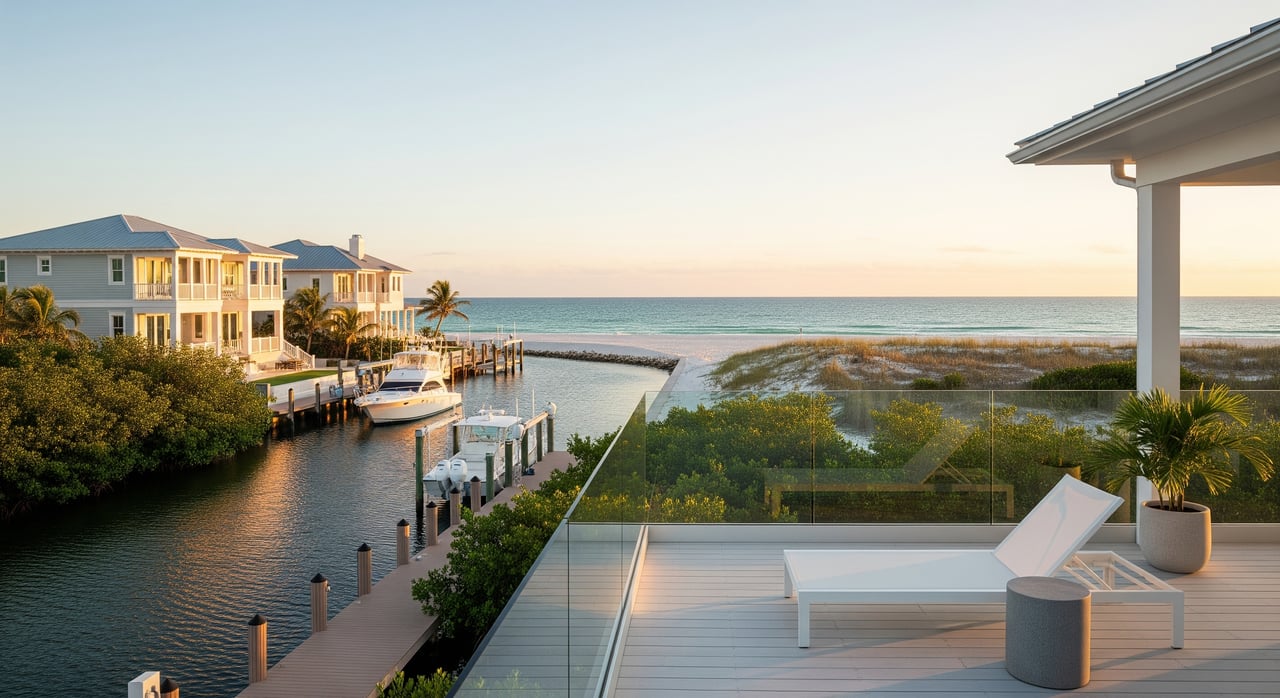
Gulf sunsets or a boat in your backyard? If you are deciding between canal-front and beachfront living on Anna Maria Island, you are not alone. Both lifestyles are incredible, yet they offer very different daily rhythms, maintenance needs, and rental profiles. In this guide, you will learn the real-world tradeoffs so you can choose a home that fits how you actually want to live and invest. Let’s dive in.
Island overview in a minute
Anna Maria Island sits off Manatee County’s coast and stretches about seven miles north to south. The west side faces the Gulf of Mexico with sandy beaches and open-water views. The east side fronts bays and canals that connect to Tampa Bay and nearby waterways.
The island includes three separate municipalities: the City of Anna Maria, Holmes Beach, and Bradenton Beach. Each city has its own codes and enforcement for short-term rentals, parking, docks, noise, and coastal construction. Rules change, so verify current ordinances for any specific property.
Boat access and marine lifestyle
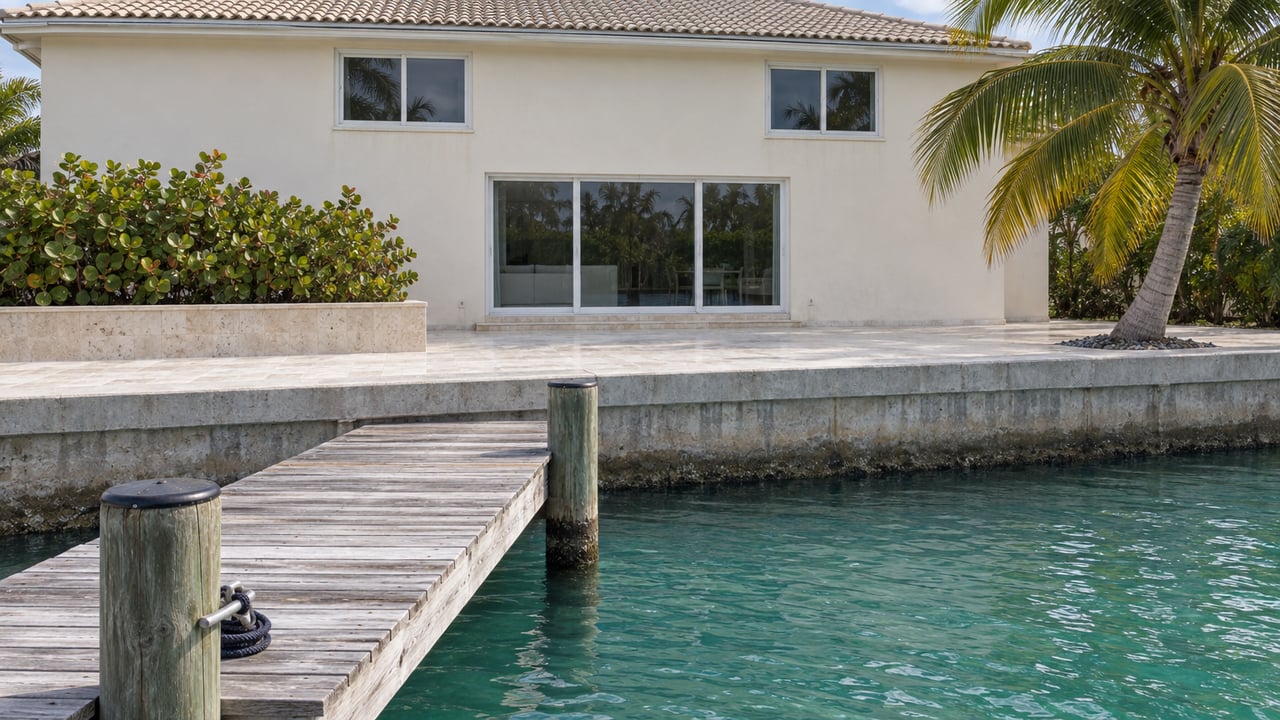
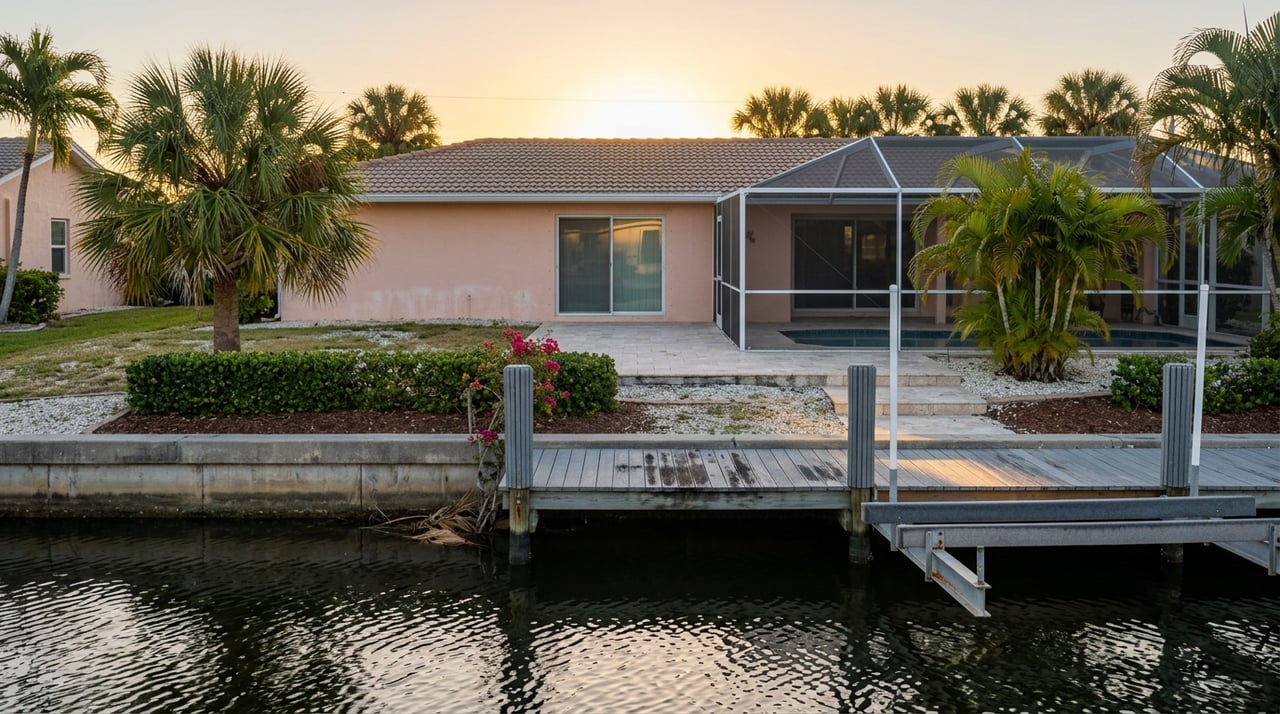
If boating is part of your everyday routine, canal-front properties have a clear advantage. Many offer private docks and lifts with direct or near-direct access to the bay. You can launch for a morning fishing run, paddle at sunset, or keep your boat ready without trailering.
Beachfront homes do not usually include private docks. You will likely rely on public ramps, commercial marinas, or mainland slips, especially for larger boats. If you prefer shore-based recreation and simple beach time, beachfront lines up well with that pace.
Canal checks for boaters
- Inspect the seawall, pilings, and dock. Confirm permits and whether structures meet current codes. Replacements can be costly and require approvals.
- Ask about depth at mean low tide and any shoaling patterns. Some canals limit boat size or draft.
- Identify route constraints like fixed-bridge clearances between the property and open water.
- Understand local speed zones and manatee protections that shape navigation patterns.
- Budget for lift maintenance and potential permitting if you plan upgrades.
Beachfront boating realities
- Plan for trailer storage or marina solutions if you own a boat. Larger vessels often need slips on the bay or mainland.
- Expect a shore-first routine. Your water time is about surf, shelling, and wading, not stepping onto a dock.
Sand, views, and daily beach time
Beachfront living delivers direct sand access and sweeping Gulf views. You can step out for a morning walk, watch changing surf and tide conditions, and enjoy sunset from your deck. That convenience defines the beachfront lifestyle.
Canal homes trade immediate sand for calmer water activities like paddling, kayaking, and wildlife watching along mangroves and canals. You will reach the Gulf by walking, biking, or a short drive to public beach crossovers. Views lean toward canals, mangroves, and bay horizons rather than open Gulf.
Beachfront owners may be more exposed to storm impacts and beach-erosion cycles. Local governments sometimes coordinate dune restoration or sand-nourishment projects that affect access points and timelines.
Privacy, noise, and traffic
Beachfront areas near public access points can feel lively, especially in peak season. You may see more foot traffic, hear more evening activity, and share the shoreline with day visitors. If your home sits by a public parking area, seasonal congestion can be part of the routine.
Many canal neighborhoods feel more residential and quieter day to day. You will still notice occasional boat noise or dock activity, but tourist foot traffic is typically lower. Landscaping and property layout make a difference in how private your yard feels on either side of the island.
Parking and guest logistics
On-street parking is limited or regulated in many areas and rules vary by municipality and block. Beachfront homes close to public lots can experience spillover traffic. Canal properties often have private driveways that simplify guest parking, though narrow island streets can still constrain larger vehicles.
Consider how guests will arrive and use the space. Beachfront visitors expect easy sand access and storage for beach gear. Boating guests prefer a ready dock and lift. Walkability to restaurants and shops varies by neighborhood, whether you choose the Gulf or bay side.
Rental demand for investors
Beachfront listings generally command higher nightly rates and strong demand from vacationers seeking the classic sand-and-sun experience. Direct beach access and Gulf views often drive premiums, especially for short stays and peak seasons.
Canal homes attract a different audience. Boaters, anglers, and families who want calm water and dock access can keep occupancy high, including during shoulder seasons. Your results depend on micro-location, amenities, and the specific guest segment you target.
Municipal rules shape rental feasibility in a big way. Licensing, occupancy limits, parking requirements, noise and trash rules, and limits on new rental licenses vary across the three cities. HOAs may also regulate rentals and dock use. Use recent STR analytics, local MLS comps, and neighborhood-level data to compare average daily rates and occupancy for your exact area.
Resilience, insurance, and upkeep
All island properties sit within coastal flood-prone areas, and FEMA flood zones and Base Flood Elevations matter for insurance and financing. Building elevation, mitigation features, and distance to mean high water influence premiums for wind, flood, and homeowners coverage. Many insurers offer discounts for impact windows, shutters, and hurricane straps.
Beachfront homes are typically more exposed to ocean-driven storm surge and wave action. After major storms, walkovers and dune areas may need attention. Canal properties face tidal flooding and bay surge and require ongoing care for seawalls, pilings, and docks. Seawall replacement can be a significant project with permitting complexity.
Avoid assuming costs. Get property-specific insurance quotes and review elevation certificates before you write an offer. If you are evaluating a dock or seawall, consider a marine surveyor or coastal engineer for a professional assessment.
Environmental and water quality notes
Gulf beaches can be affected at times by red tide or algal blooms. These events may temporarily reduce visitation and rentals. Bay and canal water quality can vary with runoff, turbidity, and seagrass health and may influence recreation and aesthetics.
Manatee habitats, seagrass beds, and mangrove shorelines are important environmental resources. Protection rules can shape allowable improvements, boat speed zones, and shoreline vegetation. Plan projects with permitting timelines in mind.
Buyer checklist to bring on showings
Use this quick list to stay focused while you tour properties:
Municipality and zoning
- Identify which city the home is in and review current short-term rental, parking, dock, and noise rules.
- Check FEMA flood zone, Base Flood Elevation, and any recorded easements or nearby public access points.
Waterfront and structure condition
- Canal: inspect seawall, pilings, and dock condition and confirm permits; note water depth at mean low tide; check for shoaling and any bridge clearances.
- Beachfront: evaluate dune condition and beach access paths; ask about erosion history and any planned nourishment projects.
- All: assess roof age, hurricane-mitigation features, elevation certificates, and whether the property is on sewer or septic.
Insurance and utilities
- Obtain wind and flood quotes early and ask about mitigation discounts.
- Confirm water, sewer, and stormwater drainage details.
Parking and guest logistics
- Measure driveway capacity and confirm on-street rules for guests.
- For rentals, verify occupancy limits, parking allowances, and trash collection schedules.
Market and neighborhood fit
- Pull neighborhood-level STR data and MLS comps for canal vs beachfront performance.
- Visit at different times and seasons to check noise, traffic, and crowding.
Which lifestyle fits you?
Choose canal if you want boating at your fingertips, calmer water for paddling, and a quieter residential feel. You will trade immediate sand access for dock convenience and add seawall and lift maintenance to your budget. Canal properties can attract a loyal renter base of boaters and families who value water access.
Choose beachfront if your days revolve around the Gulf, sand, and sunsets. You will enjoy direct beach access and broad views, with more exposure to seasonal crowds and coastal weather. Insurance and storm-related maintenance may be higher, but the guest appeal is straightforward and often commands premium rates.
There is no “one-size” right answer on Anna Maria Island. The best choice aligns your lifestyle, maintenance tolerance, and rental strategy with a specific neighborhood’s rules and rhythm.
Ready to explore homes on both coasts?
If you want a local guide who blends lifestyle perspective with data and a clear path to turnkey rental management, let’s talk. Whether you are boat-first, beach-first, or aiming to balance both, you will get practical advice, neighborhood nuance, and a smooth plan from offer to ownership. Start by reaching out to Jessica Batten for a personalized tour of canal and beachfront options.
FAQs
What is the key difference between canal-front and beachfront homes on Anna Maria Island?
- Canal homes often offer private docks and quick access to the bay, while beachfront homes deliver direct sand access and Gulf views; your decision comes down to daily boating versus daily beach time.
How do short-term rental rules vary across Anna Maria, Holmes Beach, and Bradenton Beach?
- Each city sets its own licensing, occupancy, parking, and noise standards, so verify current municipal codes for the specific property and neighborhood you are considering.
What should boaters check before buying a canal property on Anna Maria Island?
- Confirm dock and seawall condition and permits, water depth at mean low tide, bridge clearances to open water, local speed/manatee zones, and lift maintenance or permitting needs.
How do flood and insurance costs compare for canal versus beachfront properties on Anna Maria Island?
- Both are coastal and flood-prone; premiums depend on elevation, distance to water, building features, and FEMA flood zones, with beachfront generally more exposed to wave action and canal areas exposed to tidal surge.
Do beachfront homes always outperform canal homes for vacation rentals on Anna Maria Island?
- Not always; beachfront often earns higher nightly rates, but canal homes can deliver strong occupancy with the right amenities and guest segment, so use neighborhood-level STR and MLS data for a fair comparison.