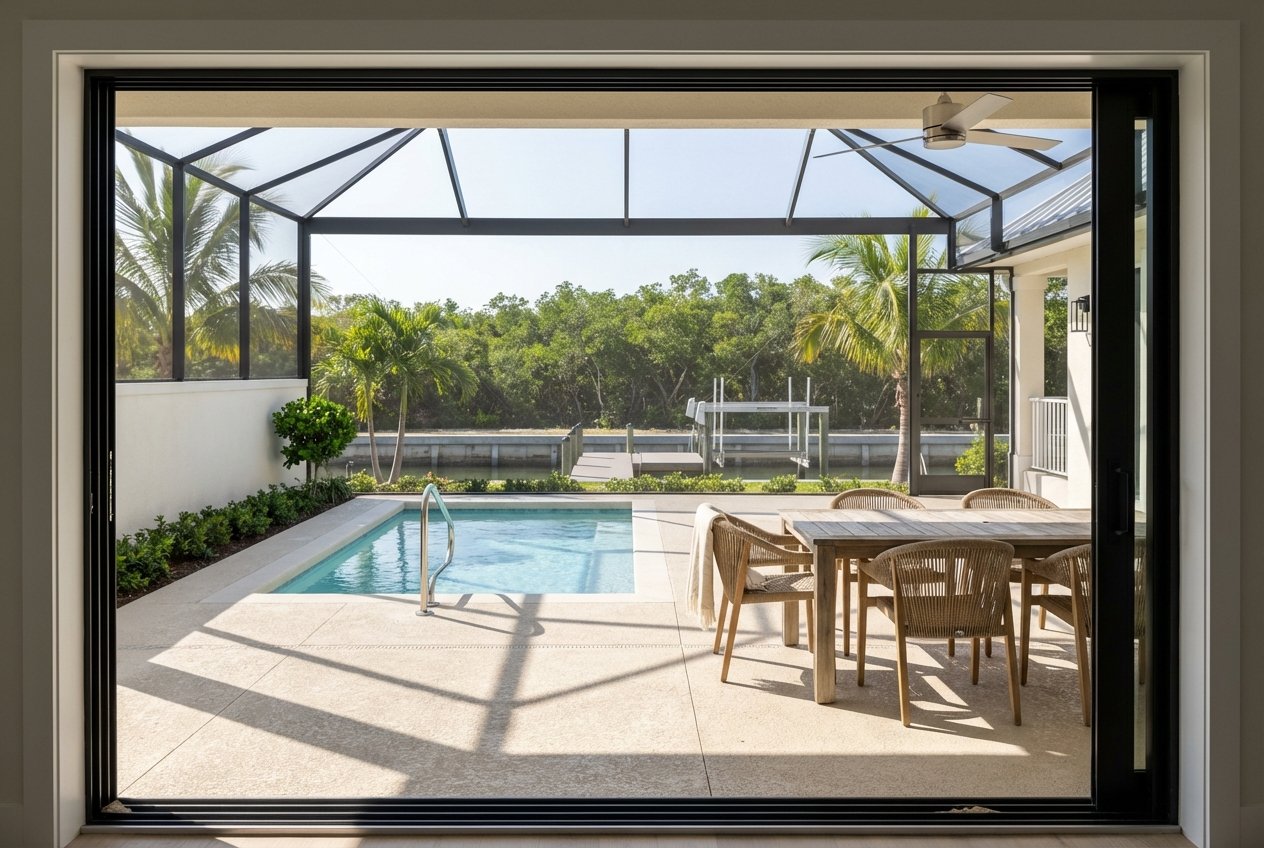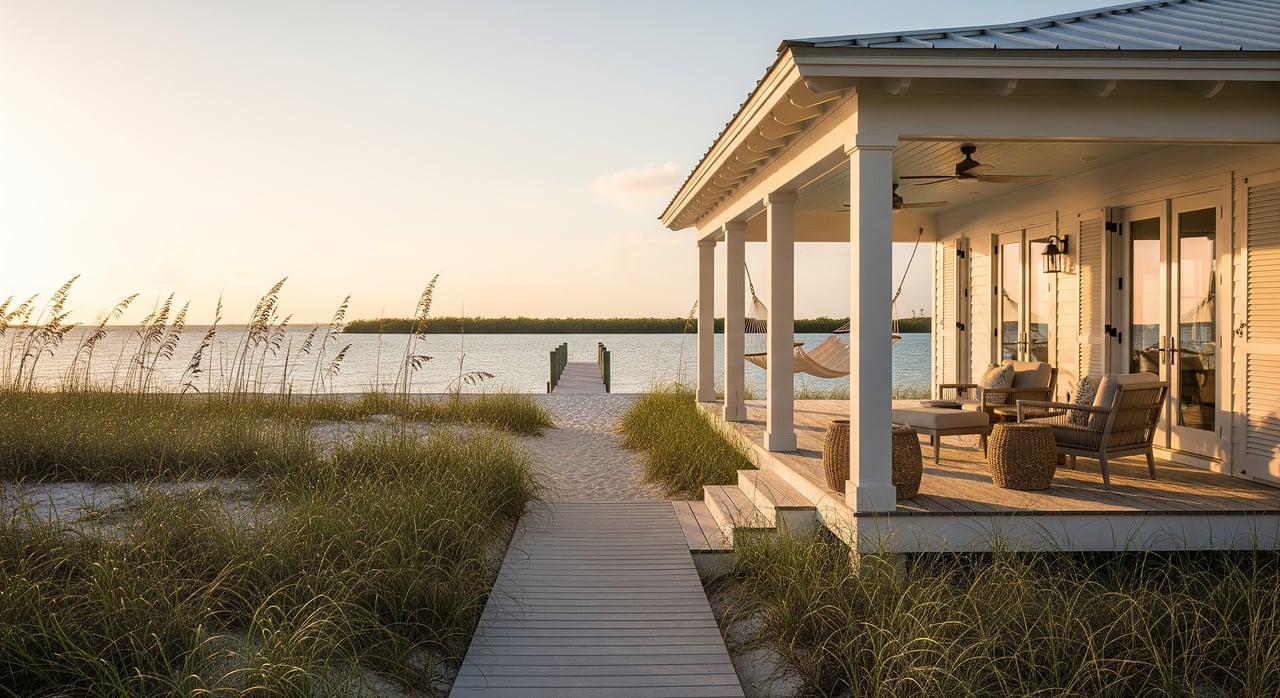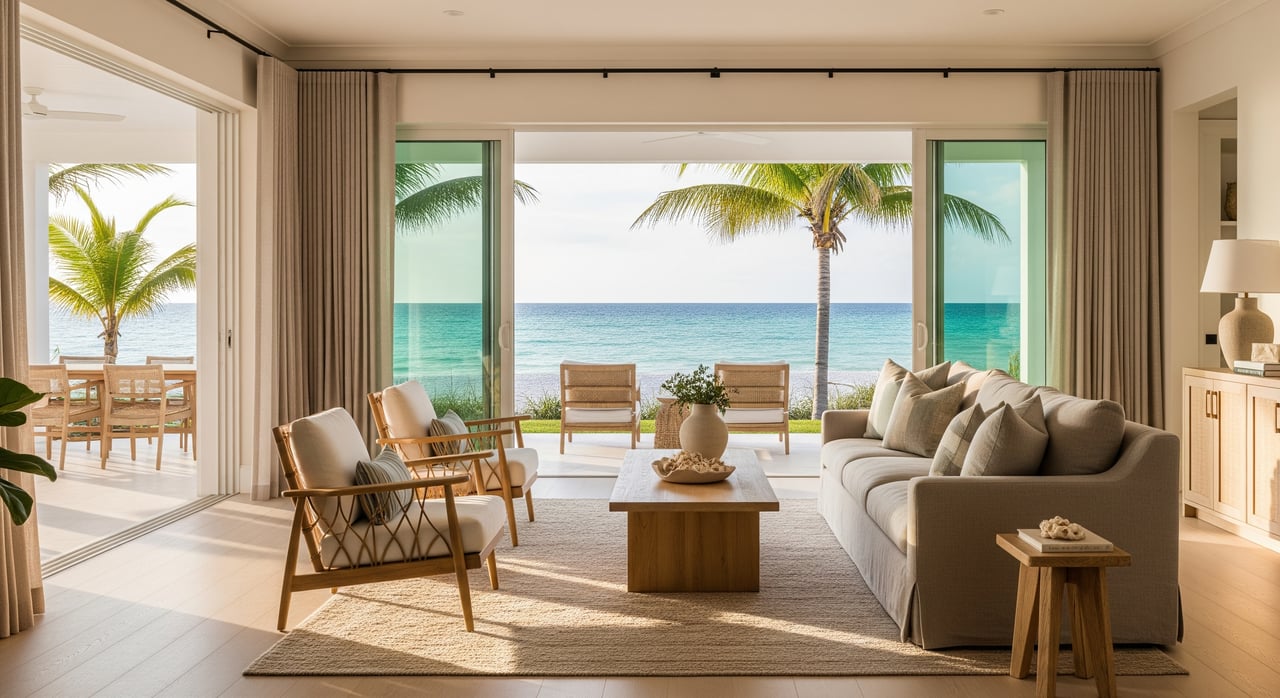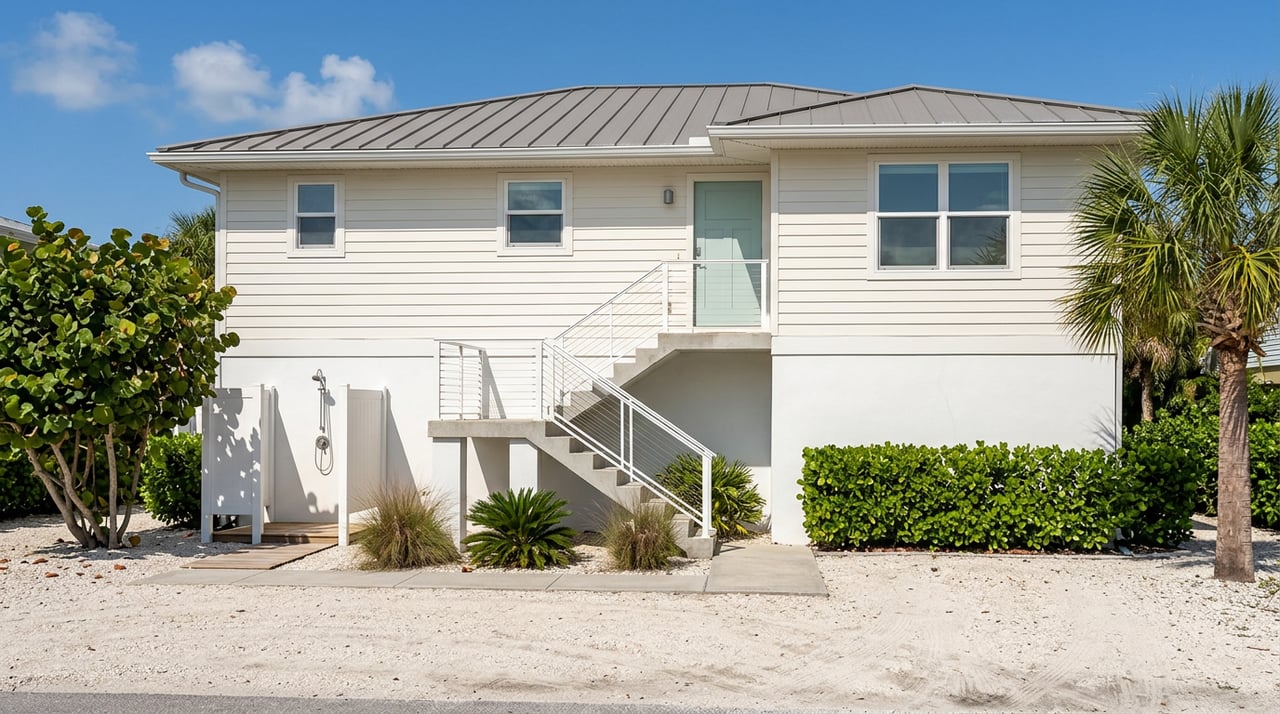
Should you buy a move-in-ready beach house or roll up your sleeves with a project on Anna Maria Island? In 34216, both paths can work if you match your timeline, risk tolerance, and rental goals to the realities of our island market. In this guide, you’ll learn how turnkey and fixer-upper options compare on regulations, costs, financing, insurance, seasonal revenue, and ROI. You’ll also see simple example numbers and a step-by-step checklist to help you choose with confidence. Let’s dive in.
What “turnkey” and “fixer-upper” mean here
Turnkey means you can enjoy the home on day one and start marketing it for short-term rental as soon as licensing is in place. Finishes are current, systems are sound, and furnishings are rental-ready. You pay a premium for convenience and faster income.
A fixer-upper needs work before you move in or rent it. You might update kitchens and baths, add wind-mitigation upgrades, replace windows with impact glass, refresh furnishings, or address structural items. You invest more time and capital but can create value and improve rental performance.
On Anna Maria Island, micro-location and property type matter a lot. Gulf-front carries the highest purchase prices and potential nightly rates. Canal and bayfront homes earn premiums for boating and dock access. Inland cottages trade lower but often rent for less per night. Walkability to Pine Avenue, the City Pier, and immediate beach access influences both value and rental demand.
Market realities in 34216
- Prices sit at the high end for the region. Public market snapshots put typical home values in the low to mid 1.8 to 2.2 million dollar range. Exact pricing swings by water access, view corridors, finishes, and recent upgrades.
- Inventory is limited and seasonal. Days on market fluctuate with storms, insurance costs, and broader mortgage trends. Street-level comps matter more than broad averages.
- Premiums stack by micro-location. Gulf-front and bay/canal frontage outpace inland lots, and near-beach walkability can lift both price and rental revenue.
Rental rules you must know first
City of Anna Maria registration and inspections
Short-term rentals are allowed in the City of Anna Maria, but you must complete the city’s Vacation Rental Registration, obtain your state Transient Public Lodging Establishment license, submit required sketches, pay fees, and pass an annual inspection before you advertise. New or renewed registrations cannot be marketed until authorized. Plan roughly 30 to 45 days for registration and inspection steps when buying a new STR property. Review the current requirements on the City of Anna Maria vacation rental page: vacation rental registration and checklist.
Each island city is different
Rules vary by city. Holmes Beach and Bradenton Beach have their own permits, occupancy rules, and enforcement practices. For example, Holmes Beach has used temporary moratoria during storm recovery, which shows how local rules can change with conditions. See a recent example in local reporting: Holmes Beach implements a 45-day vacation rental moratorium.
Fire and life-safety inspections
West Manatee Fire Rescue operates a vacation rental inspection program. TPLE-licensed rentals may be assessed at higher commercial rates to fund inspections and life-safety compliance. Expect requirements like smoke and CO detectors, proper egress, and pool alarms where applicable. Learn more from local coverage of the program: vacation rental inspections and assessment changes.
Taxes you must collect and remit
Manatee County’s Tourist Development Tax increased to 6 percent as of January 1, 2025. Combined with Florida sales and use tax, most short-term rentals in Manatee County carry about 13 percent in combined taxes that must be collected and remitted. Platforms may remit pieces of this, but owners are ultimately responsible. Verify current practices with the Manatee County Tax Collector.
HOA and condo restrictions
Associations can limit or prohibit short-term rentals. Obtain the recorded declaration, bylaws, rental rules, any amendments, and a current occupancy or rental cap report before you buy. Florida law treats condos and HOAs differently, and amendment dates matter. A practical overview is here: HOA and condo rental approval checklist.
Costs, timelines, and downtime
Coastal projects cost more than inland work due to impact-rated materials and corrosion-resistant components. Directional examples from national and regional remodel studies can help you frame a budget:
- Minor kitchen refresh: roughly 25,000 to 35,000 dollars
- Major kitchen (gut): often 70,000 to 150,000 dollars or more
- Midrange full bathroom: 20,000 to 40,000 dollars
- Whole-home or structural items like seawalls and elevation can run into six figures and affect appraisal and after-repair value
Use these numbers as a starting point and add a coastal premium. See summarized trends in the latest Cost vs Value writeup: remodel cost and value insights.
Typical timelines you can plan around:
- Small projects like paint, flooring, and minor bath or kitchen updates: 2 to 6 weeks
- Medium projects like a kitchen gut, 1 to 2 baths, or selective MEP work: 8 to 16 weeks
- Major renovation or elevation or seawall work: 3 to 6 months or more
- Permitting and plan review can add 2 to 8 weeks, depending on complexity and staffing
If you are buying for rental income, model downtime into your pro forma. A moderate permitted renovation that includes a kitchen and bath often removes a home from the short-term market for about 10 to 18 weeks. Build a 10 to 20 percent contingency for both budget and time.
Financing your plan
- FHA 203(k): This combines a purchase or refinance with rehab funds but is designed for owner-occupied primary residences. It is not a fit for investor purchases or STR properties unless you intend to occupy the home as your primary residence. Learn more here: FHA 203(k) program overview.
- Fannie Mae HomeStyle: A conventional renovation mortgage that supports one-unit second homes and one-unit investment properties, subject to lender overlays and LTV limits. It allows you to finance purchase plus renovation in one loan. Review eligibility here: HomeStyle Renovation basics.
- Portfolio or construction loans: Local lenders and private rehab lenders often require larger down payments, renovation escrows, or construction-to-permanent structures for bigger projects.
Insurance and flood considerations
Insurability and premiums are a major input for island properties. Wind-mitigation upgrades like impact glass, roof tie-downs, and elevated utilities can be required and costly, but they help with coverage and pricing. Flood insurance is separate from homeowners policies. If a property sits in a FEMA Special Flood Hazard Area, your lender will require NFIP or private flood coverage. Pull the FEMA flood map for the parcel and consider ordering an Elevation Certificate early in underwriting. You can start with FEMA’s mapping resources here: FEMA flood map metadata.
Revenue, seasonality, and operations
Demand peaks from late December through April. Shoulder months in late spring and fall can be healthy, and summer can be softer due to heat and storm season. Build month-by-month projections rather than a flat annual average so you capture the weight of high-season weeks.
Public listings show useful ranges for seasonal benchmarking. During prime weeks, larger gulf-front homes often list at 1,000 to 1,600 dollars per night or more. Two to three-bedroom homes near the beach commonly list 500 to 1,200 dollars nightly depending on proximity and amenities. One public sample to explore rate ladders: near-beach listing rates and calendar.
Operating costs vary by property and service level. Plan for the following:
- Professional management: about 18 to 35 percent of gross rental revenue for full-service programs
- Cleaning and turnover: about 75 to 250 dollars per stay, more for larger homes and deep cleans
- Repairs and reserves: plan several thousand dollars per year for coastal wear on mechanicals, pool, decks, and docks
- Platform and payment fees: factor OTA and processing costs, and confirm who remits which taxes
Example numbers: turnkey vs fixer-upper
Numbers below are illustrative frameworks. Replace inputs with property-level comps, a manager’s monthly ADR and occupancy curves, and current insurance quotes.
Scenario A: Turnkey gulf-front 3-bed
- Example purchase price: 2,200,000 dollars
- Blended ADR assumption: 900 dollars
- Occupancy: 60 percent (about 219 nights)
- Gross rental revenue: 900 × 365 × 0.60 ≈ 197,100 dollars
- Less taxes at 13 percent: −25,623 dollars
- Less management at 25 percent: −49,275 dollars
- Cleaning and reserves: −10,000 dollars
- Illustrative NOI: about 112,200 dollars
- Unlevered cap rate: about 5.1 percent
Takeaway: You get quick occupancy and high-season income, but high purchase price and carrying costs typically compress the cap rate at this tier.
Scenario B: Fixer 3-bed, value creation
- Example purchase price: 1,600,000 dollars (discount for condition)
- Renovation budget: 150,000 dollars (impact windows, kitchen and bath, cosmetics, some mechanical)
- After-reno blended ADR: 1,150 dollars
- Occupancy: 65 percent
- Gross rental revenue: 1,150 × 365 × 0.65 ≈ 272,838 dollars
- Less taxes at 13 percent: −35,469 dollars
- Less management at 25 percent: −68,209 dollars
- Cleaning and reserves: −12,000 dollars
- Illustrative NOI: about 157,160 dollars
- Total cash invested: about 1,750,000 dollars
- Unlevered cap rate: about 9.0 percent
Takeaway: With accurate scopes, permits, and execution, a fixer can earn materially higher NOI and cap rate. You take on project risk, longer downtime, and more moving parts.
Important notes on both: These examples exclude mortgage costs, property tax changes, insurance volatility, major capex reserves like seawalls or docks, and one-time onboarding items such as furniture, photography, and licensing. Small swings in high-season ADR or occupancy can change annual NOI a lot, so model a stress case.
Quick chooser: which path fits you
Choose turnkey if you:
- Want near-term enjoyment and income with minimal project oversight
- Can accept a higher price for immediate readiness and lower execution risk
- Prioritize quick licensing, photography, and a fast path to bookings
Choose a fixer if you:
- Have the team and reserves to plan permits, execute coastal upgrades, and absorb downtime
- Want to lift ADR and occupancy through design and mitigation improvements
- Are comfortable trading time and complexity for higher potential yield
Due diligence checklist for 34216
Use this ordered list before you commit to any property:
- Confirm the property’s city jurisdiction and pull that city’s short-term rental rules and registration steps. Start with the City of Anna Maria’s process: vacation rental registration page.
- Request HOA or condo governing documents, all rental rules, and any recorded amendments. Note adoption dates and consent thresholds. A helpful overview: HOA and condo rental approval checklist.
- Pull FEMA flood maps and consider ordering an Elevation Certificate; get flood quotes early. Begin here: FEMA flood map metadata.
- Review building permits and any code enforcement history with the city building department. Ask for seawall and dock permits where applicable.
- Get multiple insurance quotes for homeowner, wind, and flood, and align with lender requirements.
- Interview local managers, confirm fee structures, and ask for a sample P&L with monthly ADR and occupancy curves for similar homes.
- Scope renovations with at least two licensed coastal contractors. Include impact-rated materials and a 10 to 20 percent contingency for time and budget.
- Build a month-by-month pro forma that includes taxes at about 13 percent, management fees, cleaning, reserves, and realistic downtime.
The bottom line
Both turnkey and fixer-upper paths can perform on Anna Maria Island. The right answer depends on how fast you want to enjoy the home, how much project work you want to manage, and what yield targets you are aiming for. If you want fast, lower-risk enjoyment and quicker rental income, turnkey can be ideal. If you want to shape a property, lift ADR and occupancy, and possibly improve cap rate, a well-executed fixer can deliver.
If you would like a local, data-informed view of specific streets, licensing steps, and rental handoff options, reach out to Jessica Batten. You will get a clear plan that matches your timeline, budget, and goals.
FAQs
What makes a short-term rental legal in the City of Anna Maria?
- You must complete the city’s Vacation Rental Registration, secure your state TPLE license, pass the required inspection, and receive authorization before you advertise or accept reservations. Details are on the city’s vacation rental registration page.
How long does licensing take after closing in 34216?
- Plan roughly 30 to 45 days for city registration and inspection steps before you can market or host guests, assuming you submit complete materials and pass inspection.
Which renovations typically boost rental rates on the island?
- Kitchens and baths, impact windows and doors, refreshed furnishings, and outdoor living upgrades often move the needle, with coastal code items improving both guest appeal and insurability. See directional cost ranges in this remodel cost and value summary.
Can I finance a fixer-upper as a second home or investment?
- Yes, many buyers use Fannie Mae’s HomeStyle Renovation loan for one-unit second homes or investment properties, while FHA 203(k) is designed for owner-occupied primary residences only. Review HomeStyle eligibility and FHA 203(k).
How do flood zones affect my purchase and renovation plan?
- Properties in Special Flood Hazard Areas generally require flood insurance for financed purchases. Elevation, impact-rated upgrades, and mechanical placement affect coverage and costs, so pull FEMA maps and get quotes early. Start with FEMA’s mapping resources.
What management fees should I expect for Anna Maria Island STRs?
- Full-service management typically runs about 18 to 35 percent of gross revenue, varying by service scope and occupancy, plus cleaning fees and platform or payment processing costs.